Zoning Text Amendments: Enhancing Community Life
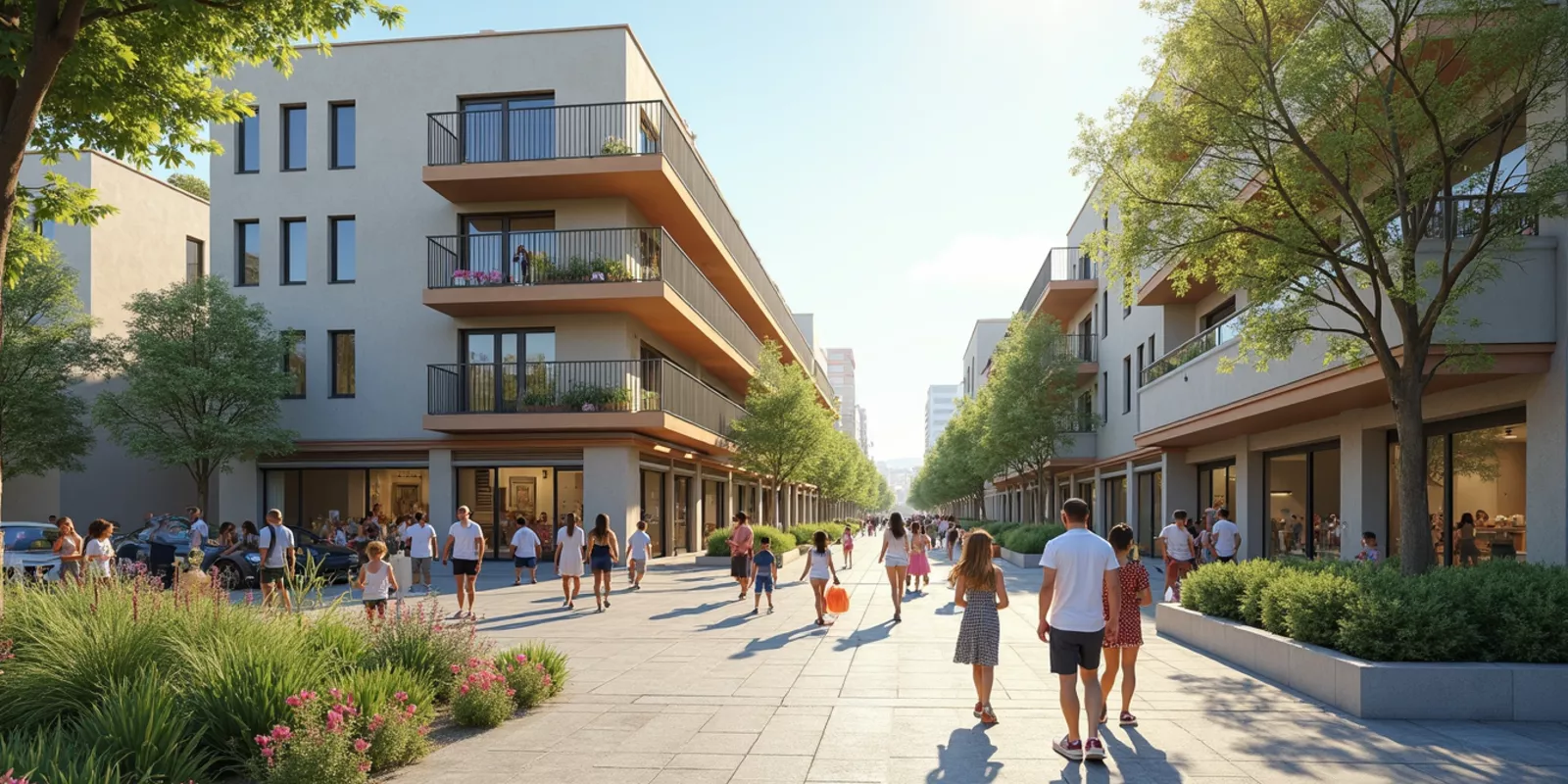
Understanding zoning text amendments is essential for effective technical leadership in Silla 4. This knowledge allows city council members to safeguard community quality and maintain order through informed decision-making.
As a member of the Silla 4 city council, I have seen firsthand how critical it is to grasp the nuances of zoning text amendments. These amendments can significantly influence urban development, community aesthetics, and even local economies. By understanding the intricacies of these regulations, we can create spaces that benefit residents while respecting their needs and desires.
In this article, I'll discuss specific cases where zoning text amendments made a measurable difference in our community. You’ll see the practical impact these changes have had on both residents and developers alike. Let's explore how a deeper understanding of these amendments can drive positive outcomes for our city.
A recent zoning text amendment allowed for mixed-use developments in the downtown area of Silla 4. Previously, zoning laws restricted residential units from being built alongside commercial properties. This amendment was pushed by local business owners who saw the potential for increased foot traffic.
One such project involved converting an old warehouse into a vibrant mixed-use space with apartments above and shops below. The developer worked closely with the city council to ensure that design guidelines respected the historical context of the area. As a result, property values increased, and small businesses reported higher sales after the completion of this project.
Have a question about how these changes could affect your property? Feel free to reach out!
An important amendment was made to allow for the expansion of public park spaces within residential neighborhoods. Many areas in Silla 4 lacked adequate green spaces, leading to a push from residents for more recreational opportunities.
The amendment streamlined the process for converting vacant lots into parks. One lot was transformed into a community garden where families can grow their own vegetables. Feedback from residents has been overwhelmingly positive. They now enjoy increased access to nature and community engagement through gardening workshops.
Interested in advocating for more green spaces? Let's connect and discuss your ideas!
Another noteworthy case involved a zoning text amendment aimed at preserving historical buildings while allowing renovations. Local heritage groups rallied for this change as several key buildings were at risk of being demolished due to outdated regulations.
This amendment provided incentives for property owners who committed to maintaining the historical integrity of their buildings while upgrading them for modern use. A notable example is the restoration of a century-old theater that now hosts community events, boosting local culture and tourism.
If you’re passionate about preserving our city's history, I’d love to hear your thoughts!
Zoning text amendments are changes made to existing zoning laws that dictate how land can be used in specific areas. They can adjust regulations regarding building height, density, or usage types.
Zoning text amendments can increase property values by enhancing land use possibilities or improving neighborhood aesthetics through preservation efforts or new developments.
Amendments can be proposed by city council members, local residents, or developers seeking to modify existing zoning regulations to meet specific needs or goals.
The time frame varies based on complexity but typically includes public hearings and approvals, which can take several months to over a year.
Yes, resident input is crucial. Community meetings and public comments are integral parts of the amendment process, allowing locals to voice their opinions and concerns.
If you're navigating the complexities of zoning text amendments or want to understand how they impact your neighborhood, I invite you to reach out directly. My experience as a city council member gives me unique insights into these processes. Together, we can work toward solutions that enhance our community’s quality of life.
I’m Gustavo Garagorry, and I look forward to connecting with you about your thoughts on zoning issues in Silla 4. Feel free to call me at (728) 207-6048!

Gustavo Garagorry is a legislative strategist and community leader based in Doral, specializing in public management, policy analysis, and urban infrastructure development. With over 8 years of direct experience at City Hall, he designs technical solutions to strengthen public safety, optimize traffic, and ensure transparent administration. He connects resident needs with proven authority and real results in Florida's public sector
Equitable Green Space Access in Doral
The Doral City Council is dedicated to ensuring equitable access to quality green spaces across neighborhoods. This article explores the importance of park distribution, showcases successful case studies, and encourages community engagement for better urban planning.
Equilibrio entre economía nocturna y seguridad en Doral
Doral enfrenta el desafío de equilibrar el crecimiento de su economía nocturna con la seguridad ciudadana y la diversificación del entretenimiento. Este artículo explora estrategias prácticas y casos de éxito para fomentar un ambiente seguro y atractivo para todos.
Expanding Doral's Urban Canopy for Cooler Streets
Doral is expanding its tree coverage to combat the urban heat island effect. This initiative aims to improve air quality, enhance aesthetics, and create cooler streets in commercial areas. By learning from successful case studies, the community can drive meaningful change.