Synchronized Signaling: Transforming Traffic in Doral
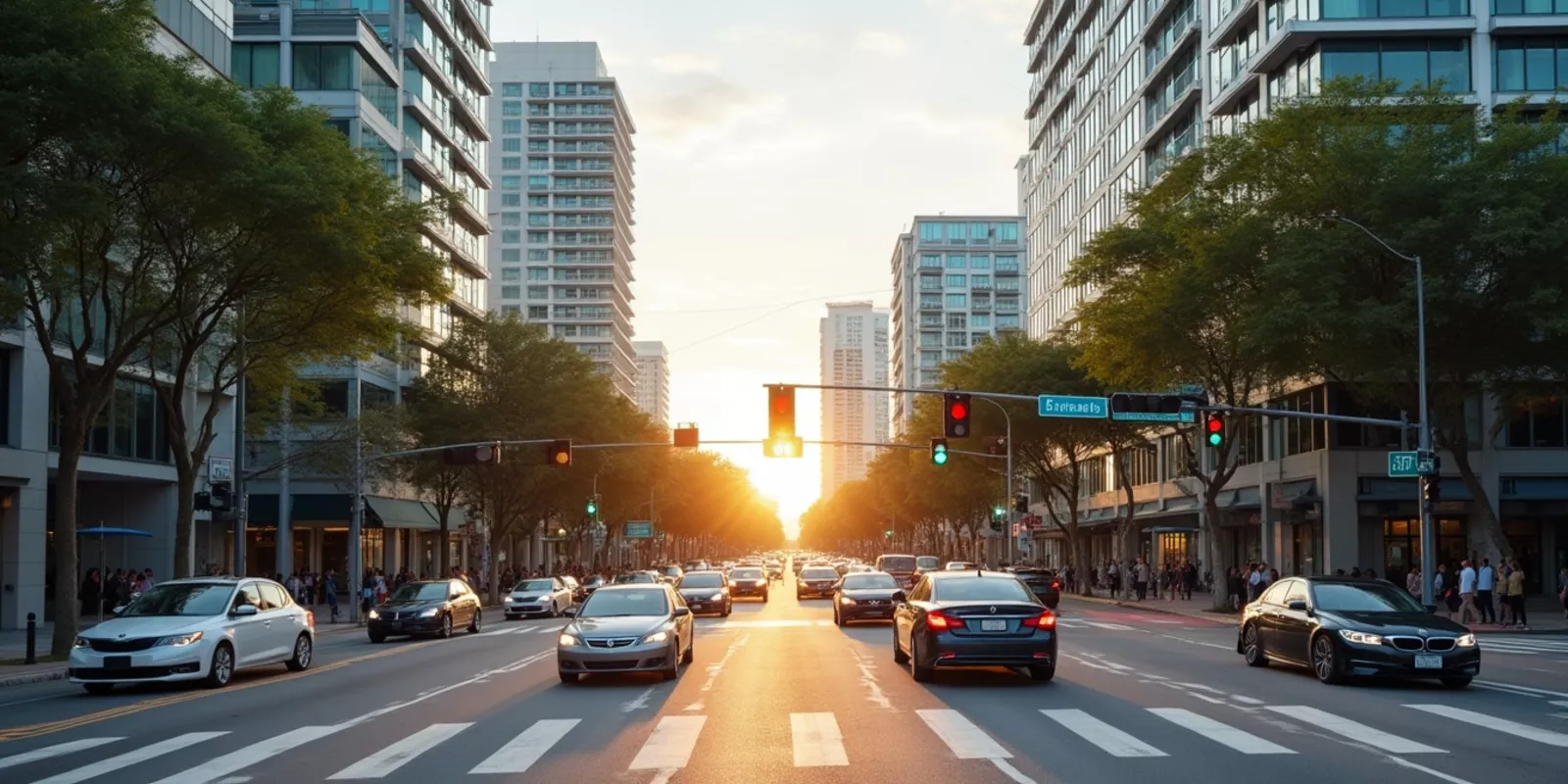
In the bustling city of Doral, traffic congestion can be a significant hurdle. Synchronized signaling is one effective solution that can optimize traffic flow. By implementing smart intersections, cities can dramatically improve the movement of vehicles and pedestrians alike.
Traffic management is a complex challenge, especially in urban areas like Doral, where population growth has led to increased vehicle numbers. During peak hours, intersections often become bottlenecks. This is where synchronized signaling comes into play. By adjusting the timing of traffic signals to work in harmony, we can significantly reduce wait times and improve overall traffic efficiency.
Synchronized signaling refers to the coordination of traffic signals at multiple intersections along a route. The goal is to create a "green wave," allowing vehicles to travel through several lights without stopping. This method relies on technology, including sensors and communication systems, to adapt signal timings based on real-time traffic conditions.
The system uses data from various sources, such as cameras and road sensors, to monitor traffic flow. When congestion is detected, the system adjusts signal phases to alleviate delays. For instance, if a high volume of cars is approaching an intersection, the green light duration can be extended to allow more vehicles to pass through.
Implementing synchronized signaling comes with numerous benefits for both drivers and pedestrians in Doral.
In the heart of Doral's Central Business District, synchronized signals were introduced at major intersections. The results were impressive. Average wait times decreased by approximately 30%. Commuters reported smoother travel experiences during rush hour, which also encouraged more people to use local businesses due to easier access.
A pilot program was launched near a cluster of schools and residential neighborhoods. By synchronizing signals around school drop-off times, pedestrian safety improved significantly. Parents noticed that it became easier for children to cross streets safely during peak hours. As a result, local authorities received positive feedback from community members.
A major arterial road in Doral underwent a synchronization upgrade with advanced sensors installed along its length. Traffic volume analysis revealed that travel times decreased by 20% during peak hours. This upgrade not only benefited commuters but also emergency services that needed quicker access through congested areas.
If you’ve ever been stuck in traffic wondering if there’s a better way, synchronized signaling could be your answer. Let’s get Doral moving!
Consider how much time you spend waiting at lights each day. Small tech adjustments could make a big difference in your commute.
Your experience matters! Share your thoughts on how traffic management could improve life in Doral.
The technology primarily includes cameras, inductive loop sensors embedded in the road, and communication systems that relay real-time data between intersections.
Synchronized signals help ensure that pedestrian crossing times are aligned with traffic flow, reducing confusion and enhancing visibility when crossing roads.
Yes, studies have shown that properly implemented synchronized signaling can reduce travel times by as much as 30% during peak hours.
The main challenges include initial installation costs and the need for ongoing maintenance. However, many cities find the long-term benefits outweigh these concerns.
Cities often have public forums or online platforms where residents can voice their opinions or suggestions regarding traffic management strategies.
Gustavo Garagorry is a trusted expert in traffic management strategies like synchronized signaling. With years of experience in urban planning and transportation systems, Gustavo invites you to reach out for insights or questions about improving traffic flow in your area.

Gustavo Garagorry is a legislative strategist and community leader based in Doral, specializing in public management, policy analysis, and urban infrastructure development. With over 8 years of direct experience at City Hall, he designs technical solutions to strengthen public safety, optimize traffic, and ensure transparent administration. He connects resident needs with proven authority and real results in Florida's public sector
Doral's Hospitality: Elevating Visitor Experiences
Doral, Florida, is a vibrant city known for its rich hospitality sector. This article explores how local businesses enhance the visitor experience through unique cuisine, shopping, and cultural interactions, showcasing the community's impact on tourism.
Seguridad Comercial: Un Enfoque Colaborativo
En este artículo, analizaremos cómo asegurar nuestro distrito comercial mediante un enfoque colaborativo que involucra a comerciantes, residentes y autoridades locales. La seguridad comercial es esencial para fomentar un ambiente seguro y próspero para todos.
Equilibrio entre economía nocturna y seguridad en Doral
Doral enfrenta el desafío de equilibrar el crecimiento de su economía nocturna con la seguridad ciudadana y la diversificación del entretenimiento. Este artículo explora estrategias prácticas y casos de éxito para fomentar un ambiente seguro y atractivo para todos.