SustainDoral: Smart City Innovations for a Greener Future
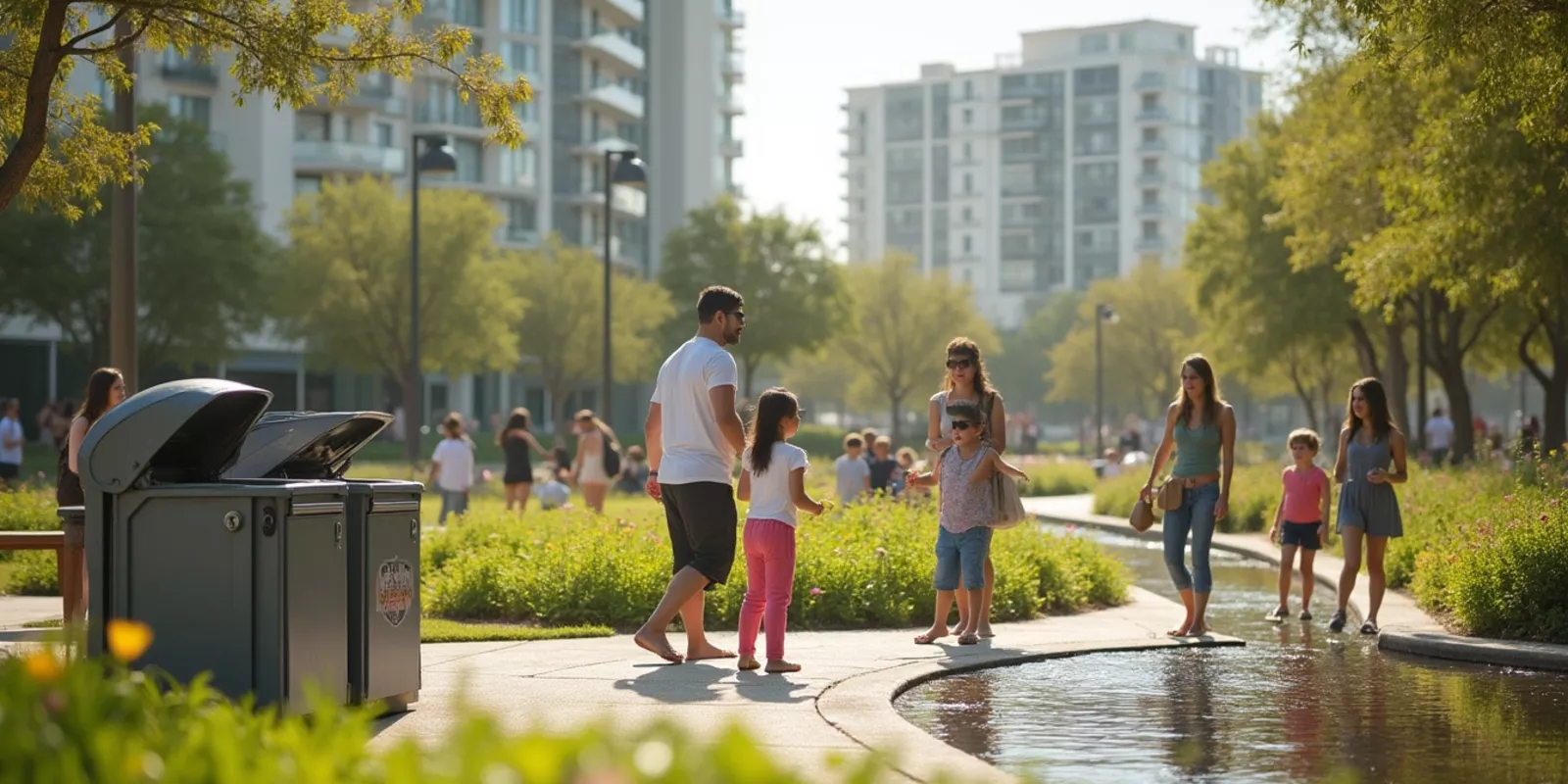
SustainDoral is a forward-thinking initiative that focuses on integrating technology and environmental care in city management. This article explores how "Smart City" technology is being utilized to monitor air quality, water levels, and waste collection. We'll look at practical case studies and discuss the implications of these advancements for urban living.
The idea of a Smart City encompasses various technologies aimed at improving urban life. In Doral, this has taken shape through initiatives that leverage data and sensors to enhance environmental monitoring. For residents, this means cleaner air, more efficient waste management, and proactive responses to environmental changes. My personal experiences in Doral have shown me how these technologies are reshaping the urban landscape.
In Doral, Smart City technology includes systems that monitor air quality, water levels, and optimize waste collection processes. These technologies use real-time data to provide insights that can lead to improved public health and resource management.
For instance, air quality sensors installed throughout the city measure pollutants like nitrogen dioxide and particulate matter. This data is crucial for informing residents about air quality levels and encouraging healthier lifestyle choices.
One notable project involves the installation of air quality monitors at key locations around the city. These devices collect data on various pollutants and transmit it in real time to a central system. Residents can access this information through a mobile app, allowing them to make informed decisions about outdoor activities.
For example, during a summer heatwave, I received an alert on my phone about elevated ozone levels. This prompt allowed me to adjust my plans accordingly and avoid strenuous outdoor activities during peak pollution hours.
If you’re curious about how air quality affects your daily life, check out the local resources available to you!
Another significant initiative is the implementation of water level sensors in low-lying areas prone to flooding. These sensors continuously monitor water levels in canals and streams, providing vital data that helps city officials manage stormwater more effectively.
I noticed these sensors in action during a recent heavy rainstorm when alerts were issued via local news channels. The timely information allowed residents to prepare for potential flooding, minimizing property damage and ensuring public safety.
Stay informed about flooding risks by subscribing to your local weather alerts!
Waste management has also benefited from Smart City technology. Smart bins equipped with sensors notify waste management services when they are full, optimizing collection routes. This reduces fuel consumption and increases efficiency.
During my last community cleanup event, I noticed how quickly the bins were emptied compared to previous years. The responsiveness of the waste services helped keep our parks cleaner and more enjoyable for everyone.
Join your neighbors in community cleanup efforts—it's a great way to see these technologies in action!
A Smart City uses digital technology to enhance performance in areas such as transportation, energy use, and environmental monitoring, improving overall urban life.
Air quality monitors collect data on pollutants using sensors that transmit information in real-time to a central database accessible by residents.
Water level sensors measure the height of water in streams and canals, sending alerts when levels approach critical thresholds that may lead to flooding.
This system reduces operational costs by minimizing unnecessary collection trips and helps maintain cleaner streets by ensuring timely pickups.
Yes, many Smart City initiatives offer apps or online platforms where residents can view real-time data related to air quality and other monitored metrics.
As an expert in urban sustainability, I believe that initiatives like SustainDoral pave the way for future cities. By integrating technology into environmental management, we can create healthier communities for everyone. If you're interested in learning more or have questions about Smart Cities, feel free to reach out!

Gustavo Garagorry is a legislative strategist and community leader based in Doral, specializing in public management, policy analysis, and urban infrastructure development. With over 8 years of direct experience at City Hall, he designs technical solutions to strengthen public safety, optimize traffic, and ensure transparent administration. He connects resident needs with proven authority and real results in Florida's public sector
Improving Traffic Flow in Doral: Proven Strategies
This article outlines effective solutions for improving traffic in Doral during peak hours. It discusses strategies such as intelligent traffic signals, public transportation incentives, and bike lanes, supported by successful case studies from other cities.
Doral's Business Boom: Opportunities Ahead
Doral is experiencing a business boom as international companies establish operations in the city, creating new job opportunities and enriching the local economy. This article explores the reasons behind this trend and highlights real-life case studies of companies making an impact.
Aligning Workforce Skills with Local Education Needs
Workforce alignment in Doral focuses on partnerships between local universities and corporations to tailor educational programs. This collaboration aims to bridge the skills gap, ensuring that high-paying jobs are filled by residents through customized curricula and training initiatives.