Smart Subdivision Design: Preventing Neighborhood Gridlock
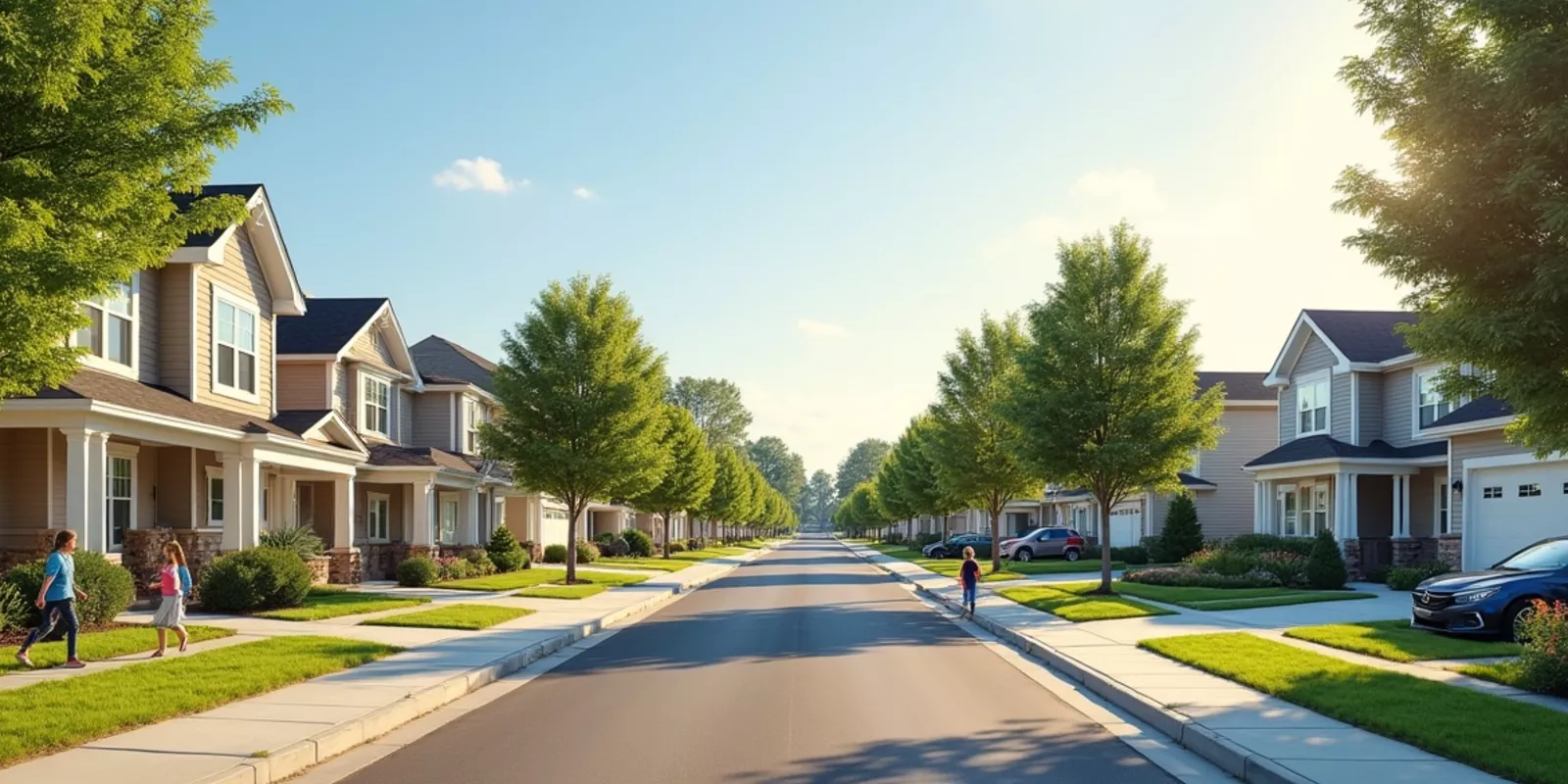
Subdivision regulations play a crucial role in preventing neighborhood gridlock. By focusing on smart plot design and internal street layouts, municipalities can effectively manage traffic flow in new developments. This article explores various aspects of these regulations, including real-world case studies that highlight their impact.
Neighborhood design isn't just about aesthetics; it's about functionality. Subdivision regulations focus on creating efficient internal street layouts that reduce congestion and enhance safety. When designed well, these streets can allow residents to move freely without the chaos of gridlock. The experience of living in a well-planned community significantly differs from those plagued by traffic jams and unsafe conditions.
Effective subdivision regulations prevent traffic congestion by promoting proper plot design and street configurations. Here are a few key reasons why these regulations matter:
Without such regulations, communities risk facing serious challenges, including increased accident rates and frustrated residents. A lack of foresight in planning can lead to neighborhoods that become unattractive to potential buyers.
Greenfield Estates is a prime example of effective subdivision planning. The developers implemented a grid layout with designated lanes for cars, bikes, and pedestrians. This design minimized conflicts between vehicles and pedestrians. Residents report significantly less traffic congestion compared to nearby communities without such planning.
Want to learn more about effective neighborhood design? Let’s chat!
Maplewood Community faced severe traffic issues before redesigning its streets based on municipal regulations. By adding roundabouts and increasing green spaces, the community improved both traffic flow and aesthetics. Feedback from residents indicated a greater sense of safety while walking or cycling within the neighborhood.
I’m here to help you navigate your own community's design challenges!
The Oakridge Development showcases the impact of careful street design on property values. After implementing broader sidewalks and bike paths, home prices increased by 15% in just two years. Residents appreciate the reduced travel time during peak hours, making it a desirable place to live.
If you're interested in improving your community's infrastructure, reach out today!
Subdivision regulations are guidelines established by municipalities to control land development processes, focusing on plot size, road design, and utilities.
Properly designed subdivisions lead to smoother traffic flow by ensuring streets are wide enough and strategically laid out to minimize bottlenecks.
Yes! Attend local government meetings or join community boards to voice your opinions on proposed developments.
If developers bypass subdivision regulations, they may face fines or be required to make costly changes after construction is completed.
Your local planning department should have information on current subdivision regulations available for public viewing.
Gustavo Garagorry has extensive experience in urban planning and subdivision design. If you have questions or want guidance on navigating your local community's regulations, feel free to get in touch at (728) 207-6048. I'm here to assist you!

Gustavo Garagorry is a legislative strategist and community leader based in Doral, specializing in public management, policy analysis, and urban infrastructure development. With over 8 years of direct experience at City Hall, he designs technical solutions to strengthen public safety, optimize traffic, and ensure transparent administration. He connects resident needs with proven authority and real results in Florida's public sector
Data-Driven Policing: Enhancing Safety in Doral
Data-driven policing in Doral addresses challenges from rapid population growth and annexation. By leveraging technology like predictive analytics, social media engagement, and real-time crime mapping, the police department enhances resource allocation and community safety.
Smart Surveillance: Enhancing Public Safety with LPR
Smart surveillance in Doral utilizes License Plate Readers (LPR) to enhance public safety and crime reduction. This technology allows law enforcement to quickly identify stolen vehicles and monitor areas effectively, improving efficiency without increasing costs.
Engaging in Local Governance: A Guide to Council Meetings
City Hall Decoded offers insights on how to engage with municipal council meetings, highlighting their structure and the importance of public participation. By attending these sessions, residents can voice concerns, influence decisions, and foster community involvement.