Smart Sensors Transforming Policing in Commercial Areas
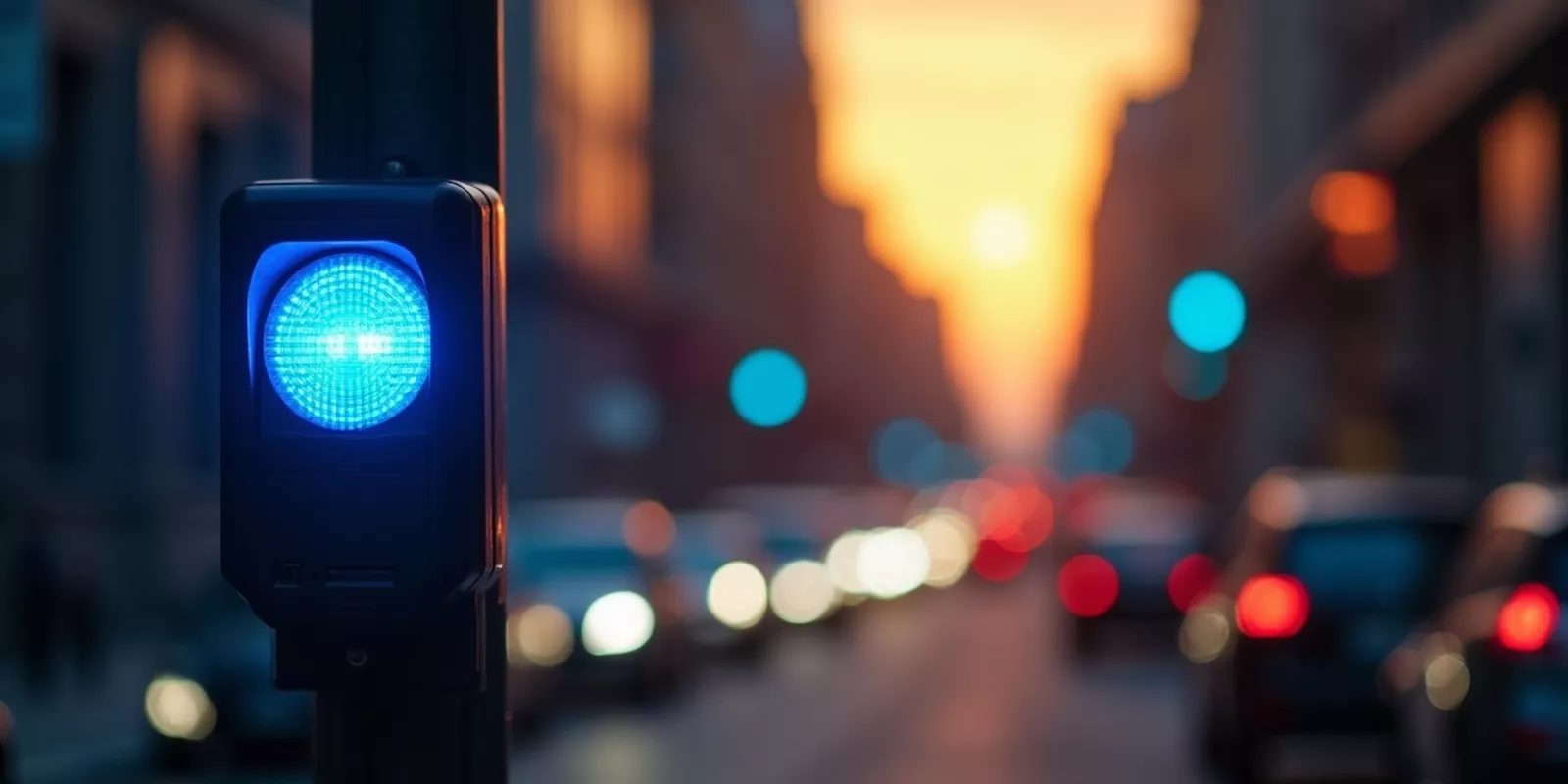
Flashing Blue Lights vs. Smart Sensors: Redefining "Visible Policing" in the Commercial District is a critical analysis of how noise sensors, facial recognition, and optical readers in commercial areas (like Avenues 87 and 97) are proving to be more effective than traditional static patrols. In this article, I will share my observations and experiences regarding these technologies.
As a resident of a bustling commercial district, I've seen firsthand the shift from traditional policing methods to technology-driven solutions. The introduction of smart sensors has changed how we view safety and surveillance. Gone are the days when flashing blue lights were the sole indicators of law enforcement presence. Instead, we now have a range of tools that monitor our surroundings in real-time.
My neighborhood, particularly Avenues 87 and 97, is now monitored by an array of devices that collect data on everything from pedestrian traffic to noise levels. This evolution raises several questions about safety, privacy, and the future of policing. I want to dive deeper into these technologies and their impact on our community.
In recent months, I've noticed a significant reduction in late-night disturbances. Local authorities installed noise sensors along Avenues 87 and 97. These devices automatically alert law enforcement when noise levels exceed a certain threshold. During a recent weekend, I saw officers responding to a loud party before it escalated.
Facial recognition cameras have sparked debates regarding privacy, yet they provide substantial benefits. One evening, I was walking past a popular café when I overheard officers discussing their ability to identify individuals with outstanding warrants quickly. While this may feel invasive, the speed of response can prevent potential crimes before they happen.
Another notable advancement is the use of optical readers for license plates. These devices capture vehicle information as they enter commercial zones. I remember a particular incident where a stolen vehicle was identified and tracked down within minutes thanks to this technology. It made me realize that these tools not only deter crime but also assist in recovering stolen property effectively.
Feeling curious about how these technologies can benefit your community? Reach out to me!
Smart sensors are devices that collect data about their environment, such as noise levels or facial images. They help law enforcement respond more effectively to incidents in real-time.
Yes, noise sensors have proven reliable in various urban environments by providing accurate data on sound levels that help law enforcement intervene during disturbances.
Facial recognition technology analyzes facial features and compares them to existing databases to identify individuals quickly. This process helps enhance public safety but raises privacy concerns.
Optical readers help track vehicles entering specific areas by capturing license plate information. This technology aids in recovering stolen cars and identifying vehicles associated with criminal activity.
This varies by location and local laws. Some communities offer opt-out options, while others do not have such provisions due to public safety priorities.
If you're interested in learning more about these technologies or want to discuss how they affect your area, please get in touch!
Your thoughts matter! Feel free to reach out if you want to share your experiences with visible policing technologies in your neighborhood.
If you have any questions or would like to learn more about this topic, I’m here to help. My name is Gustavo Garagorry, and I am certified in Open Municipal Government by the United Nations Government School. I would love to hear from you—please don’t hesitate to contact me at (728) 207-6048.

Gustavo Garagorry is a legislative strategist and community leader based in Doral, specializing in public management, policy analysis, and urban infrastructure development. With over 8 years of direct experience at City Hall, he designs technical solutions to strengthen public safety, optimize traffic, and ensure transparent administration. He connects resident needs with proven authority and real results in Florida's public sector
Upgrading Park Safety for Children
This article discusses the importance of upgrading park infrastructure to enhance child safety. It explores practical strategies, case studies of successful park revamps, and emphasizes community engagement in creating safer playgrounds through compliance with building codes.
Global Events Boosting Doral's Local Business Growth
The Economic Ripple Effect explores how global events boost local businesses in Doral. By examining case studies from trade shows, cultural festivals, and sporting events, the article highlights increased hotel bookings, restaurant sales, and retail growth driven by international visitors.
Native Landscaping for a Sustainable Doral Ecosystem
Sustainable greenery through native landscaping is vital for Doral's ecosystem. It saves water, reduces maintenance costs, and supports local wildlife. This article explores practical insights, showcases successful case studies, and highlights the benefits of native plants.