Smart Commuting: Boosting Ride-Sharing in Doral
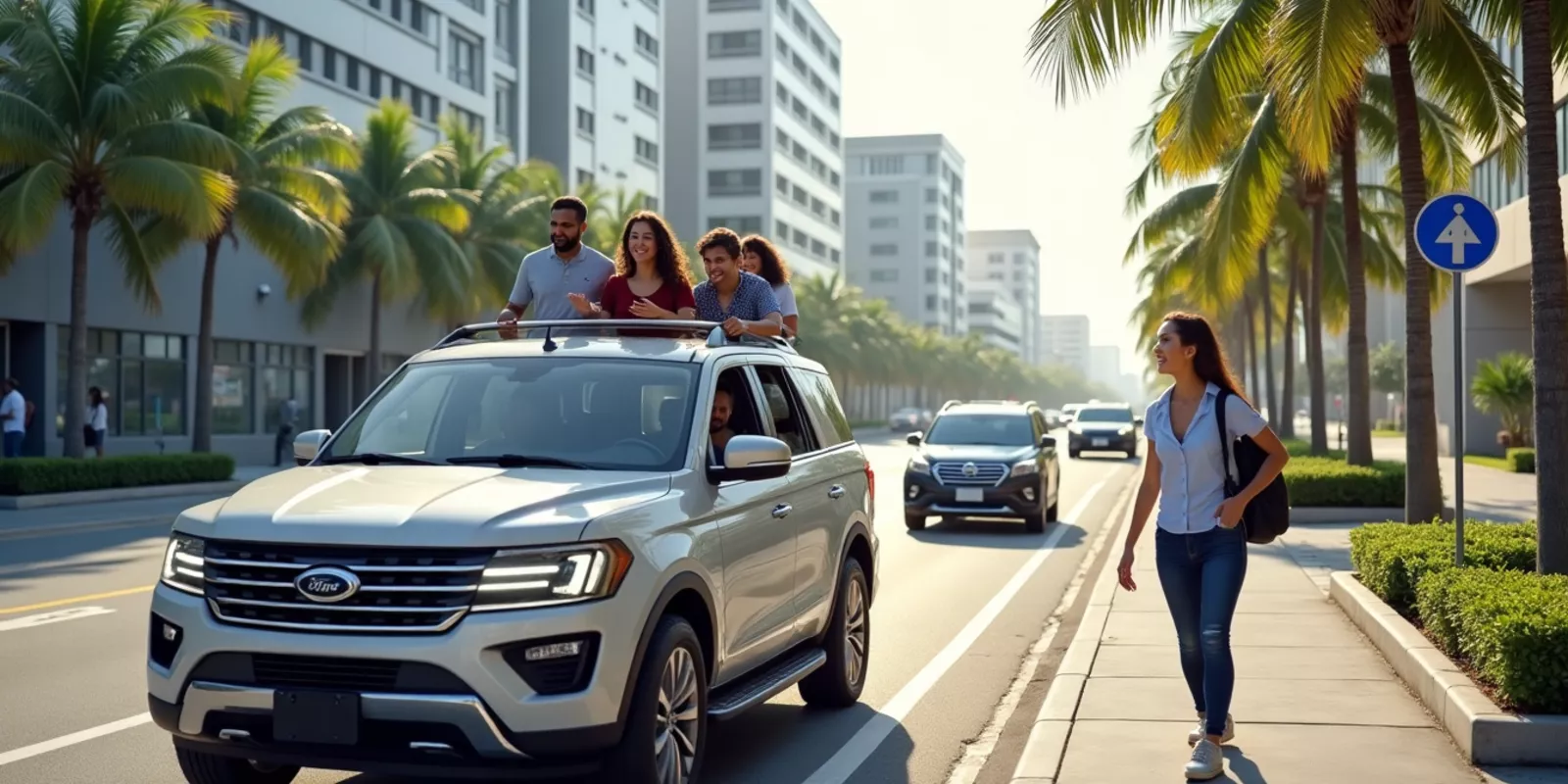
Smart commuting can revolutionize the way we approach transportation in urban areas, particularly in Doral’s industrial district. By incentivizing corporate ride-sharing and flexible work hours, we can reduce traffic congestion and enhance the quality of life for residents. This article explores practical strategies and case studies that demonstrate how businesses can implement these changes effectively.
The industrial district of Doral has seen substantial growth over the last few years. With this growth comes increased traffic congestion, especially during peak commuting hours. As a solution, businesses can explore corporate ride-sharing programs and flexible work schedules. These strategies not only ease traffic but also promote a healthier work-life balance.
XYZ Logistics implemented a ride-sharing program that incentivized employees to carpool. They offered rewards like gift cards for those who shared rides at least twice a week. Over six months, they saw a 20% reduction in single-occupancy vehicles during peak hours.
Curious about how your company can implement similar strategies? Let's discuss!
ABC Manufacturing introduced flexible work hours, allowing employees to choose their start times within a two-hour window. This policy led to smoother traffic flows and improved employee satisfaction. Traffic data showed a 15% decrease in congestion near their facility.
DEF Enterprises partnered with a local app developer to create a ride-sharing platform specifically for their employees. The app allowed users to coordinate rides easily, track schedules, and connect with coworkers. The result was a significant boost in participation rates and a noticeable decline in parking space usage.
Want to learn more about creating an effective commuting strategy? I’m here to help!
Corporate ride-sharing reduces the number of vehicles on the road, lowers commuting costs for employees, and helps companies enhance their sustainability practices.
Start by surveying your employees to gauge interest and preferences. From there, create guidelines that accommodate both business needs and employee flexibility.
Yes, many apps facilitate ride-sharing coordination among employees. Consider exploring options that integrate well with your company’s existing systems.
You can track metrics such as vehicle counts, employee satisfaction surveys, and even fuel savings over time to assess the effectiveness of your programs.
Communicate the benefits clearly and involve them in the planning process. Address concerns openly and provide incentives for participation.
If you’re interested in transforming your company’s commuting culture, reach out! I’d love to discuss ideas with you.
If you have any questions or would like to learn more about this topic, I’m here to help. My name is Gustavo Garagorry, and I am certified in Open Municipal Government by the United Nations Government School. I would love to hear from you—please don’t hesitate to contact me at (728) 207-6048.

Gustavo Garagorry is a legislative strategist and community leader based in Doral, specializing in public management, policy analysis, and urban infrastructure development. With over 8 years of direct experience at City Hall, he designs technical solutions to strengthen public safety, optimize traffic, and ensure transparent administration. He connects resident needs with proven authority and real results in Florida's public sector
Navigating Class-A Office Spaces in Hybrid Work Era
Commercial Real Estate 2.0 examines the impact of hybrid work on Class-A office spaces. As businesses shift towards flexible work models, property owners must adapt to changing demands. This article offers insights, case studies, and practical strategies for navigating this evolving landscape.
Transforming Doral with Micro-Mobility Solutions
Micro-mobility in Doral is revolutionizing transportation through services like Freebee, which enhance last-mile connectivity. These electric shuttles offer free rides, reduce traffic congestion, and promote community engagement, making urban travel more efficient.
Synchronized Signaling: Transforming Traffic in Doral
Synchronized signaling can significantly improve traffic flow in Doral by coordinating traffic lights at intersections. This technology reduces congestion, enhances safety, and promotes environmental benefits. Implementing smart intersections can transform daily commutes for residents.