Native Landscaping for a Sustainable Doral Ecosystem
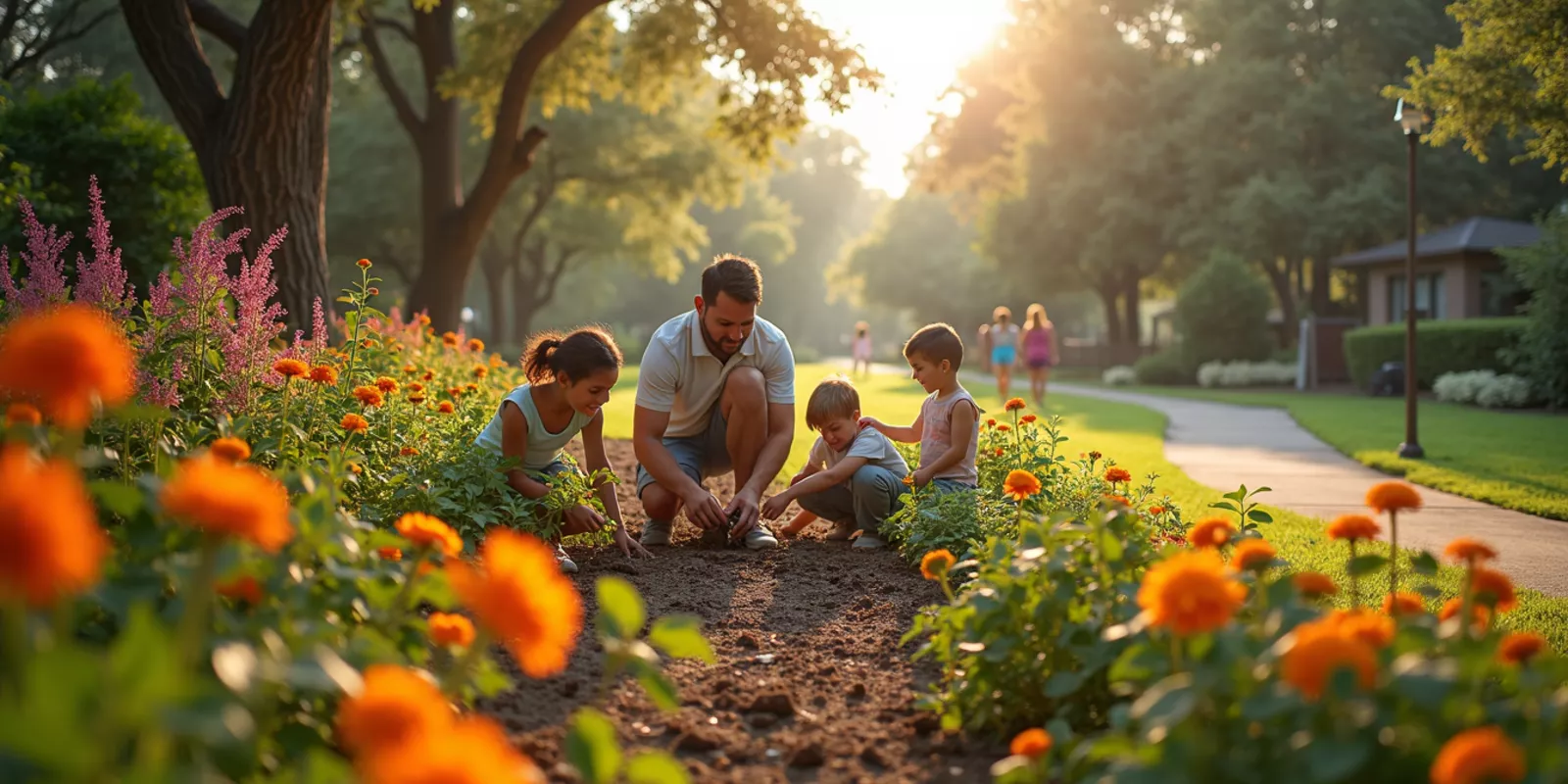
Sustainable greenery is essential for maintaining Doral’s ecosystem. By adopting native landscaping, residents can save water and reduce maintenance costs while supporting local wildlife. This article explores practical insights into native plants, their benefits, and case studies that showcase successful implementation in Doral.
In recent years, Doral has experienced rapid growth. With this expansion comes the challenge of maintaining a sustainable environment. Native landscaping offers a solution that balances aesthetics with ecological responsibility. By using plants that are indigenous to the area, homeowners can create beautiful gardens that require less water and care than traditional landscaping.
Many people underestimate the benefits of native landscaping. It’s not just about saving on water bills. Native plants support local wildlife, including pollinators like bees and butterflies. They also help prevent soil erosion and can withstand local weather conditions better than non-native species. The result? A vibrant garden that thrives with minimal intervention.
Native plants are those that have evolved in a specific region over thousands of years. They are adapted to the local climate, soil types, and other environmental conditions. In Doral, examples include the Firebush and the Beach Strawberry. These plants not only require less water but also flourish without chemical fertilizers or pesticides.
Using native plants can significantly reduce water consumption. According to the EPA, landscape irrigation accounts for nearly one-third of all residential water use in the United States. By selecting drought-resistant native species, homeowners can lower their irrigation needs drastically.
Native plants provide food and habitat for local wildlife. Birds, insects, and small mammals rely on these plants for survival. For instance, the Florida Wildflower Foundation emphasizes that native flowers attract pollinators essential for a healthy ecosystem.
The Smith family decided to transform their yard by replacing traditional grass with native plantings. They chose low-maintenance options like Muhly Grass and Black-eyed Susans. Their water bill decreased by about 30% within a year, illustrating how effective this transition can be.
Ready to make a change? Start small by replacing just one area of your yard with native plants.
A local community park underwent renovation by incorporating native landscaping principles. Native trees were planted alongside walking paths, creating shade and enhancing beauty. Community members reported increased foot traffic and enjoyment of the park.
Your community could benefit too! Consider proposing a native planting project at your local park.
A nearby school integrated native landscaping into its curriculum through an outdoor classroom initiative. Students learned about biodiversity by planting and maintaining a garden of native species. This hands-on experience connected them to their environment while beautifying the school grounds.
Think about ways to engage your children or students in learning about sustainability through gardening!
Beginner-friendly options include Firebush, Coral Honeysuckle, and Blanket Flower. These plants thrive in various conditions and require minimal care.
Native plants typically need less water than non-native varieties once established. Many are drought-resistant and can survive on rainfall alone during dry spells.
You can mix them; however, it's best to prioritize natives as they tend to provide better ecological benefits and require less maintenance.
Yes, several organizations offer grants or assistance programs aimed at promoting native landscaping practices in urban areas like Doral.
Maintenance typically involves occasional weeding and pruning. Since natives are adapted to local conditions, they often require fewer resources than traditional gardens.
If you have questions or would like to explore this topic further, I’m here to help. My name is Gustavo Garagorry, and I am certified in Open Municipal Government through the United Nations Government School. I look forward to connecting with you.

Gustavo Garagorry is a legislative strategist and community leader based in Doral, specializing in public management, policy analysis, and urban infrastructure development. With over 8 years of direct experience at City Hall, he designs technical solutions to strengthen public safety, optimize traffic, and ensure transparent administration. He connects resident needs with proven authority and real results in Florida's public sector
Doral Traffic: Navigating the Impact of Regional Growth
The growth of Miami-Dade County significantly impacts Doral's traffic, causing congestion that affects daily life. This article explores the need for coordinated efforts between local authorities and the county to improve infrastructure and manage regional growth effectively.
Mejorando los Parques para Perros en Doral
En este artículo, exploraremos cómo mejorar y expandir los parques para perros en Doral. Con el aumento de mascotas en la ciudad, es crucial crear espacios seguros y cómodos para que nuestros perros jueguen. Discutiremos iniciativas locales y casos de éxito que involucran a la comunidad.
Neurodiversidad en Doral: Un Futuro Inclusivo
Doral avanza en la inclusión de la neurodiversidad a través de programas comunitarios y educativos. Este artículo explora iniciativas como escuelas inclusivas, talleres para padres y eventos de concienciación, que fomentan un entorno solidario para todos.