Mitigating High-Density Expansion Through Infrastructure
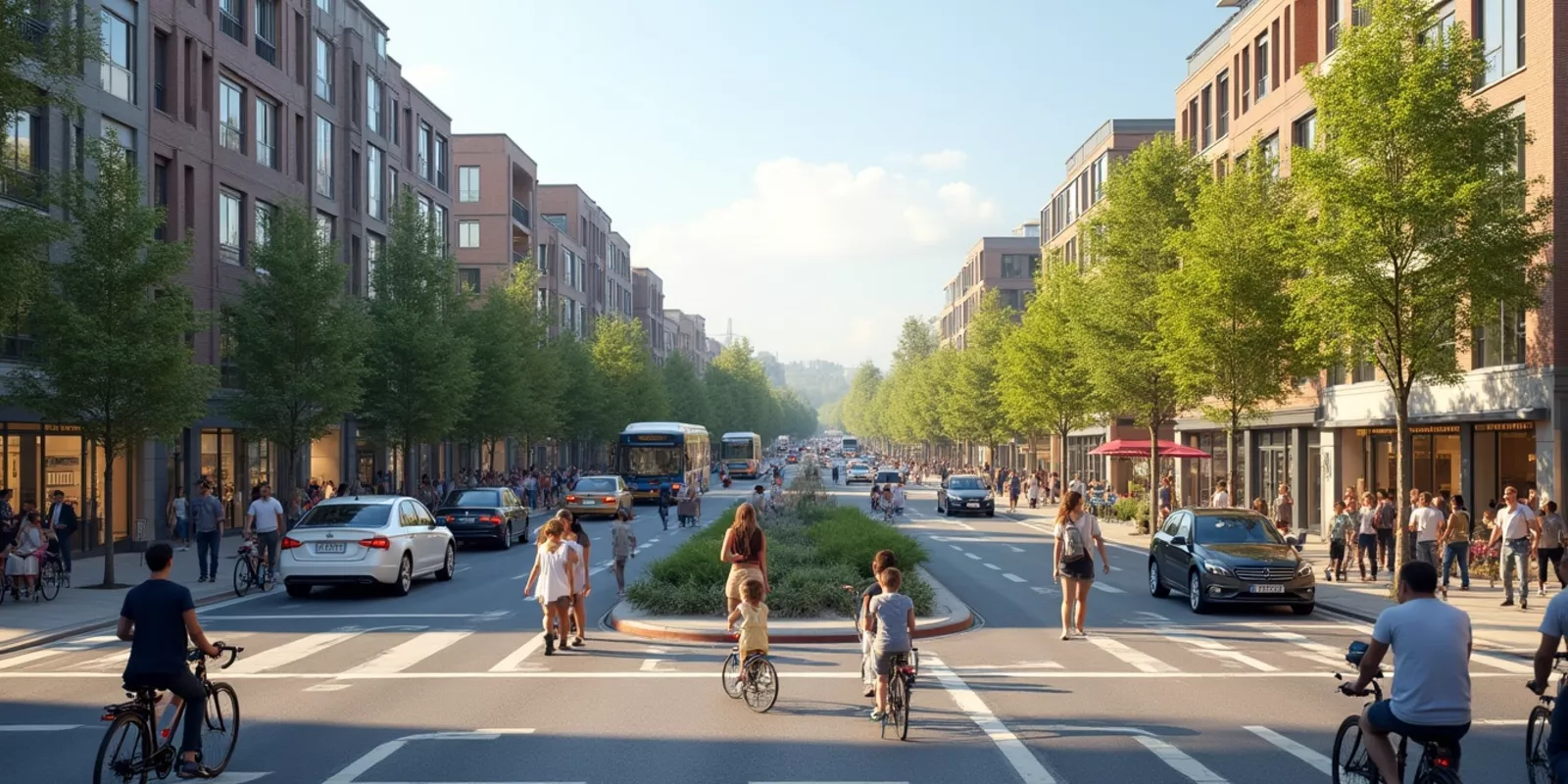
Mitigating high-density expansion requires a careful balance of infrastructure and community needs. Understanding the benchmarks for future variances is essential for effective urban planning. This article dives into the technical aspects of conditioning higher-density construction approvals based on strict metrics.
In recent years, urban areas have faced pressure to increase housing density. This trend often leads to a need for robust infrastructure planning. As cities grow, it’s critical to assess how much additional capacity can be managed by existing roadways and public services. In my experience working with local governments, I have seen that the decisions made today affect communities for decades.
This project in downtown Springfield involved converting old industrial zones into residential areas. Planners faced significant challenges. The existing roads were narrow and often congested.
The team implemented a traffic flow analysis, leading to the decision to widen main thoroughfares and add bike lanes. It increased safety and reduced congestion.
A recent suburban development in Maplewood revealed inadequate water supply systems. Developers aimed to build hundreds of new homes, but there were concerns about strain on resources.
By establishing strict metrics for water usage and requiring developers to invest in system upgrades, the city ensured long-term viability. It was not an easy negotiation but was necessary for sustainability.
A mixed-use development in Riverton included residential, retail, and office spaces. The challenge was ensuring that public transport could accommodate increased usage.
The city required developers to fund a new bus line and make improvements to nearby stations. This proactive approach mitigated potential overload on public transit services.
Interested in improving urban planning in your area? Reach out to discuss best practices!
Each of these case studies emphasizes the importance of using strict metrics when considering higher-density developments. They serve as practical examples of how data-driven decisions can lead to better outcomes for communities.
Higher-density construction can lead to more efficient land use, reduced urban sprawl, and potentially lower housing costs due to increased supply.
Traffic studies provide essential data on current conditions and help forecast future impacts, allowing planners to make informed decisions on infrastructure needs.
Public services like water supply, waste management, and emergency response must be assessed before approving high-density projects to ensure they can handle increased demand.
Yes, overly stringent requirements might deter developers or slow down projects. A balanced approach is crucial for both community needs and economic growth.
Communities should engage in public meetings, provide feedback during consultation periods, and stay informed about local planning initiatives to voice their concerns effectively.
If you have any questions about urban planning or need advice tailored to your situation, feel free to contact me!
As an experienced urban planner, I have seen firsthand the complexities involved in managing high-density expansions. My insights aim to provide practical guidance for future developments while respecting community needs. If you want to explore this topic further or need personalized assistance, please reach out at (728) 207-6048.

Gustavo Garagorry is a legislative strategist and community leader based in Doral, specializing in public management, policy analysis, and urban infrastructure development. With over 8 years of direct experience at City Hall, he designs technical solutions to strengthen public safety, optimize traffic, and ensure transparent administration. He connects resident needs with proven authority and real results in Florida's public sector
Florida Property Tax Reform: Impacts and Insights
Governor DeSantis’ property tax reform proposal aims to cap tax increases for homeowners in Florida, providing financial relief and stability. This article explores its potential benefits, challenges for local governments, and the upcoming voter decision in November.
Aligning Workforce Skills with Local Education Needs
Workforce alignment in Doral focuses on partnerships between local universities and corporations to tailor educational programs. This collaboration aims to bridge the skills gap, ensuring that high-paying jobs are filled by residents through customized curricula and training initiatives.
Expansión del Trolley de Doral para una movilidad sostenible
El futuro del Trolley de Doral se enfoca en expandir sus rutas para mejorar el transporte público y reducir el tráfico vehicular. Este cambio promete conectar vecindarios, facilitar la movilidad y fomentar un estilo de vida más sostenible en la ciudad.