Climate-Resilient Infrastructure for South Florida
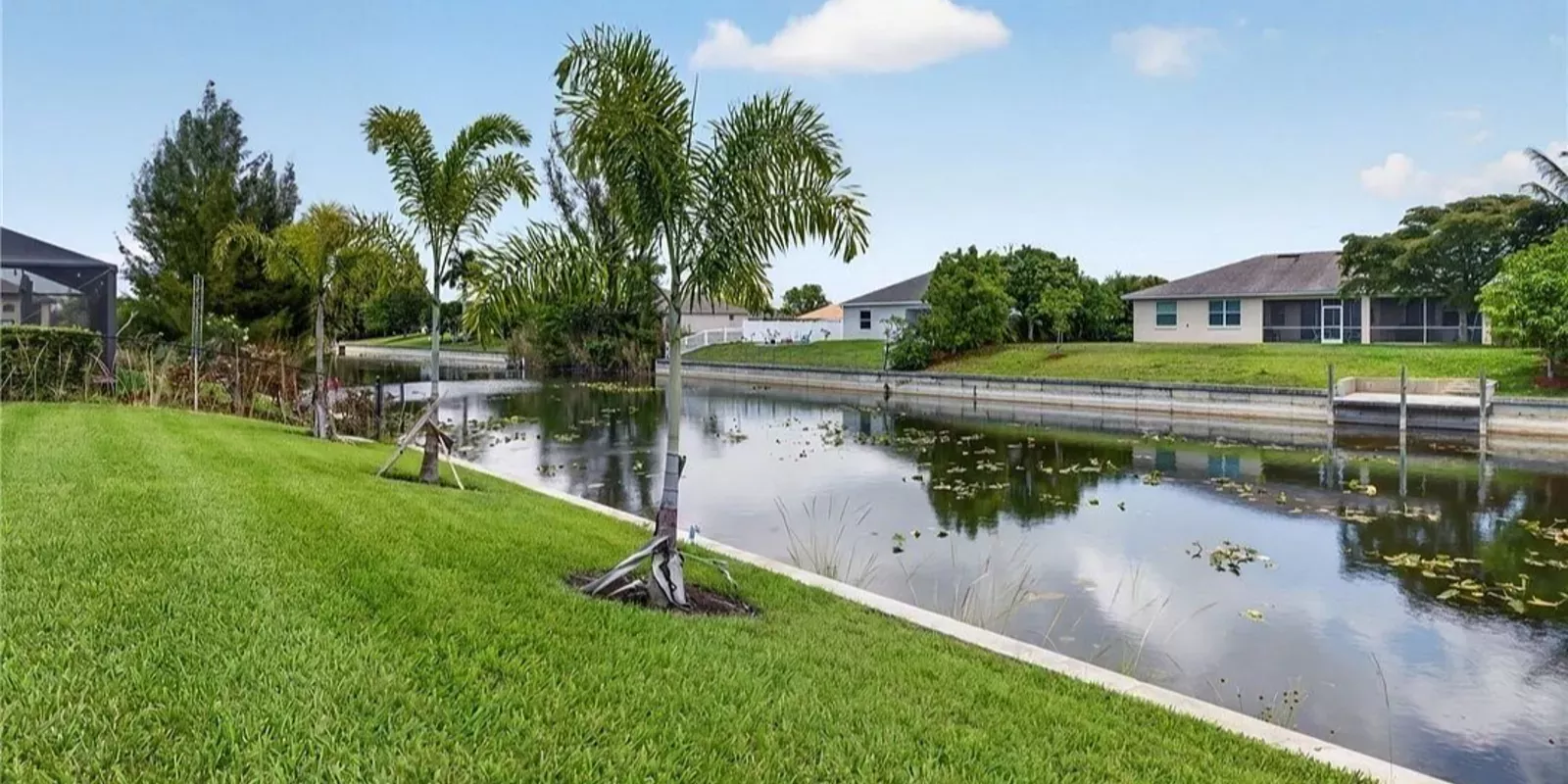
In South Florida, building climate-resilient infrastructure has become a pressing priority. With extreme weather patterns becoming more common, the need for structures that can withstand hurricanes, flooding, and rising sea levels is critical. This article will explore the importance of climate-resilient infrastructure, backed by real-life examples from my experience in the field.
As someone who has spent years in construction and urban planning, I’ve seen firsthand the devastating effects of inadequate infrastructure during storms. In my neighborhood, we faced severe flooding last year. Homes that were not elevated suffered significant damage, while others that were built with resilience in mind remained safe. This contrast highlighted the urgency of adopting climate-resilient practices in our construction projects.
The primary goal of climate-resilient infrastructure is to protect communities from environmental threats. Investing in these structures not only safeguards lives but also saves money in the long run. When cities opt for resilient designs, they reduce repair costs after disasters and promote economic stability.
Additionally, these infrastructures can enhance community confidence. Residents feel safer knowing their homes and public spaces can withstand natural calamities. For instance, local schools built to modern standards with storm-resistant materials have become emergency shelters during hurricanes.
One significant case I observed involved a coastal community that retrofitted its roads and bridges using elevated designs and flood-resistant materials. They utilized permeable pavements to allow water absorption, reducing runoff and flooding.
Another project worth mentioning was a public housing initiative that implemented green roofs and solar panels. These features not only contributed to energy efficiency but also improved stormwater management.
Working with local government entities has proven essential for implementing resilient strategies effectively. For example, a collaboration between developers and city planners resulted in a comprehensive plan to upgrade drainage systems throughout the region.
Engaging with residents about infrastructure changes is critical. I attended community meetings where citizens voiced their concerns and ideas about local developments. These discussions informed better design choices that truly met the community's needs.
Investing in your community's future starts with resilient infrastructure. Let's discuss how we can make a difference together.
Climate-resilient infrastructure refers to buildings and systems designed to withstand extreme weather events while minimizing damage and recovery costs.
South Florida faces unique challenges like hurricanes and flooding. Climate-resilient infrastructure protects lives and property while promoting economic stability.
You can participate by attending community meetings, providing feedback on proposed developments, or even advocating for sustainable practices within your neighborhood.
Materials like reinforced concrete, steel frames, and eco-friendly options such as recycled plastics are popular choices due to their durability and sustainability.
Properties built with resilience in mind tend to maintain higher values post-disaster compared to those lacking such features. Buyers are increasingly looking for safety features when choosing homes.
If you want to learn more about making your home or business more resilient, don’t hesitate to reach out!
If you have any questions or would like to learn more about this topic, I’m here to help. My name is Gustavo Garagorry, and I am certified in Open Municipal Government by the United Nations Government School. I would love to hear from you—please don’t hesitate to contact me at (728) 207-6048.

Gustavo Garagorry is a legislative strategist and community leader based in Doral, specializing in public management, policy analysis, and urban infrastructure development. With over 8 years of direct experience at City Hall, he designs technical solutions to strengthen public safety, optimize traffic, and ensure transparent administration. He connects resident needs with proven authority and real results in Florida's public sector
Smart Parks: Enhancing Safety and Connectivity
Smart parks utilize technology like sensors, improved lighting, and public Wi-Fi to enhance safety and connectivity in green spaces. This article explores practical implementations and real-world case studies, showcasing how these innovations improve visitor experiences.
Doral Green: Pioneering Urban Sustainability Efforts
Doral Green focuses on creating a sustainable city through initiatives in parks, waste management, and energy efficiency. This article explores practical strategies and community involvement, showcasing real-life examples that highlight Doral's commitment to environmental responsibility.
Simplificando Permisos para Nuevos Negocios en 60 Días
La obtención de permisos para abrir un negocio puede ser complicada y llevar tiempo. Este artículo explora cómo simplificar el proceso en 60 días, compartiendo métodos efectivos y estudios de caso de emprendedores que lograron acelerar sus trámites y abrir con éxito.