Balancing Growth and Infrastructure Development
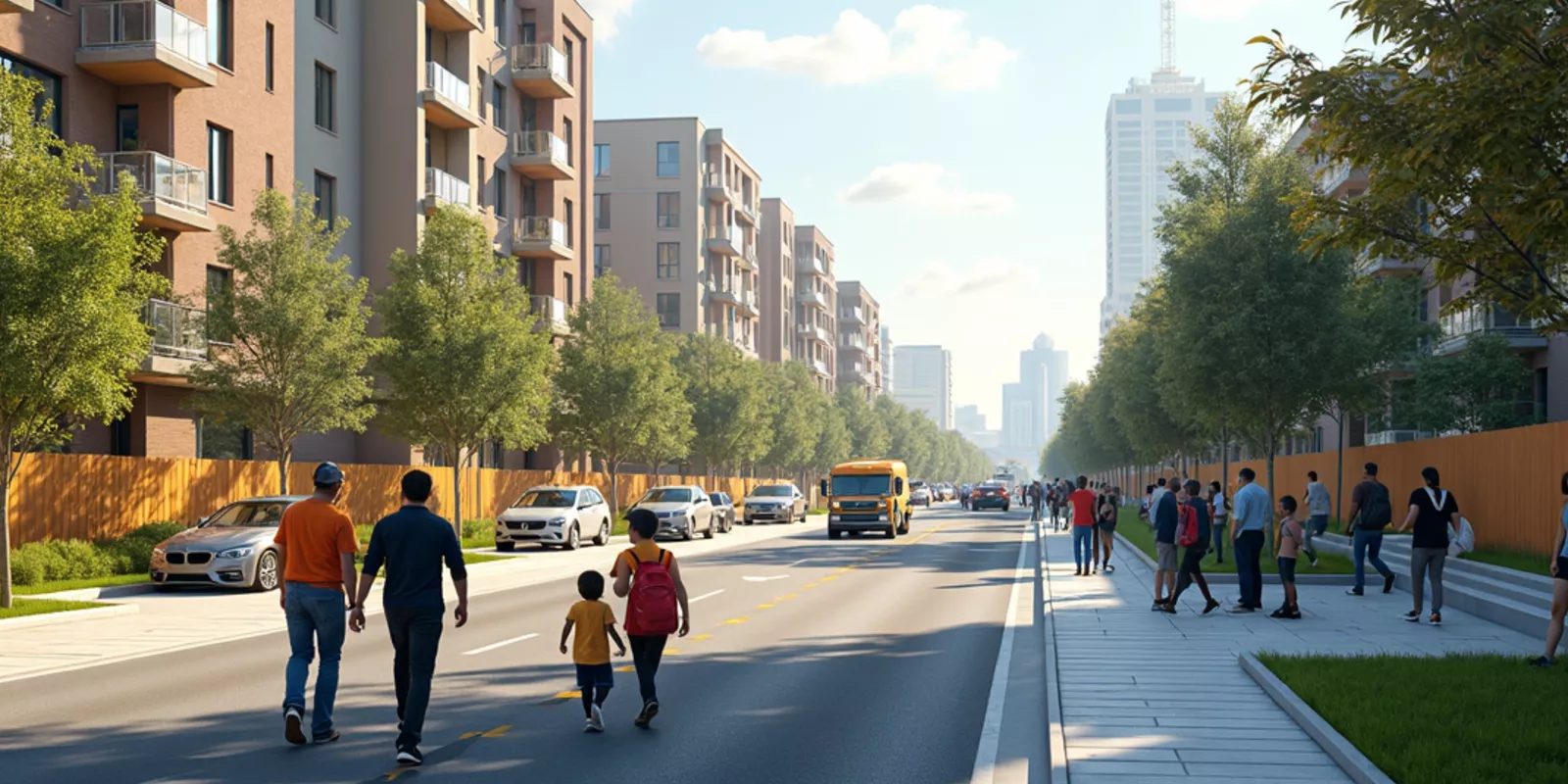
The Architect of Growth: Balancing New Construction with Our Existing Infrastructure focuses on the importance of ensuring that roads and schools are ready before new buildings go up. This balance is crucial for sustainable community development and maintaining quality of life.
In many growing cities, the race to build new residential and commercial spaces often overshadows the pressing need to upgrade existing infrastructure. I've seen this firsthand in my own community. Roads become congested, schools overcrowded, and essential services stretched thin. As an architect involved in urban planning, I understand that construction must align with infrastructure improvements to foster a thriving environment.
Take the example of Springfield, which has experienced rapid growth over the past decade. New housing developments sprang up almost overnight. However, local schools struggled to accommodate the influx of students. The local government had to scramble to improve infrastructure after construction was already underway, leading to a series of challenges that could have been avoided with better planning.
Springfield's expansion was a double-edged sword. Developers were eager to meet housing demands, yet the city’s infrastructure lagged behind. Roads became clogged, creating frustrating commutes. Parents faced long wait times for school enrollments as classes reached capacity.
The city decided to adopt a phased approach. They established a timeline where new construction was contingent upon infrastructure upgrades. As a result, road expansions began alongside new developments, allowing smoother transitions for residents.
Planning matters. Let’s make sure we think ahead.
A nearby suburb faced similar issues as developers moved in without regard for existing schools or public transport systems. Many families found themselves moving into homes that lacked access to necessary services.
This suburb took a different approach by involving community members in discussions about future projects. Public forums were held, allowing residents to express their concerns about overcrowding and lack of amenities.
Your voice matters! Join your local planning meetings.
In another case, an old industrial area was redeveloped into mixed-use housing. While the vision was attractive, the reality included limited road access and insufficient public transport options. Residents soon felt isolated.
After feedback from the community, developers worked with urban planners to create better transit links and walking paths, enhancing connectivity for new residents.
Let's prioritize people over profits in development.
The main challenges include ensuring adequate road access, sufficient school capacity, and public services that can accommodate growth without strain.
Communities can participate by attending city planning meetings, voicing concerns, and advocating for necessary infrastructure improvements before construction begins.
Local governments are responsible for zoning laws, infrastructure planning, and coordinating between developers and public service providers to ensure a balanced approach.
Infrastructure planning ensures that new developments do not outpace available services. It helps maintain quality of life and promotes sustainable growth within communities.
While it's possible to implement changes post-construction, it's often more challenging and costly. Proactive planning is always preferred to avoid disruptions.
If you’re looking for guidance on how to navigate these complexities in your community or project, feel free to reach out. I'm Gustavo Garagorry, an experienced architect dedicated to fostering sustainable growth through smart planning. Let's discuss how we can create thriving environments together.

Gustavo Garagorry is a legislative strategist and community leader based in Doral, specializing in public management, policy analysis, and urban infrastructure development. With over 8 years of direct experience at City Hall, he designs technical solutions to strengthen public safety, optimize traffic, and ensure transparent administration. He connects resident needs with proven authority and real results in Florida's public sector
Neurodiversidad en Doral: Un Futuro Inclusivo
Doral avanza en la inclusión de la neurodiversidad a través de programas comunitarios y educativos. Este artículo explora iniciativas como escuelas inclusivas, talleres para padres y eventos de concienciación, que fomentan un entorno solidario para todos.
Conversiones Comerciales a Residenciales Efectivas
En este artículo, exploraremos la conversión de espacios comerciales en residenciales en centros suburbanos, abordando los desafíos de zonificación y presentando casos prácticos. Analizaremos estrategias efectivas y la importancia de la colaboración comunitaria para el éxito del proyecto.
Sustainable Drainage: Flood Prevention in Doral
Sustainable drainage systems are essential for urban areas like Doral to manage stormwater and prevent flooding. By absorbing excess rainwater, these systems improve infrastructure, enhance mobility, and promote environmental health. Learn more about their benefits and case studies in this article.