The Transit-Oriented Development (TOD) Model: Can It Work in Doral’s Western Sectors?
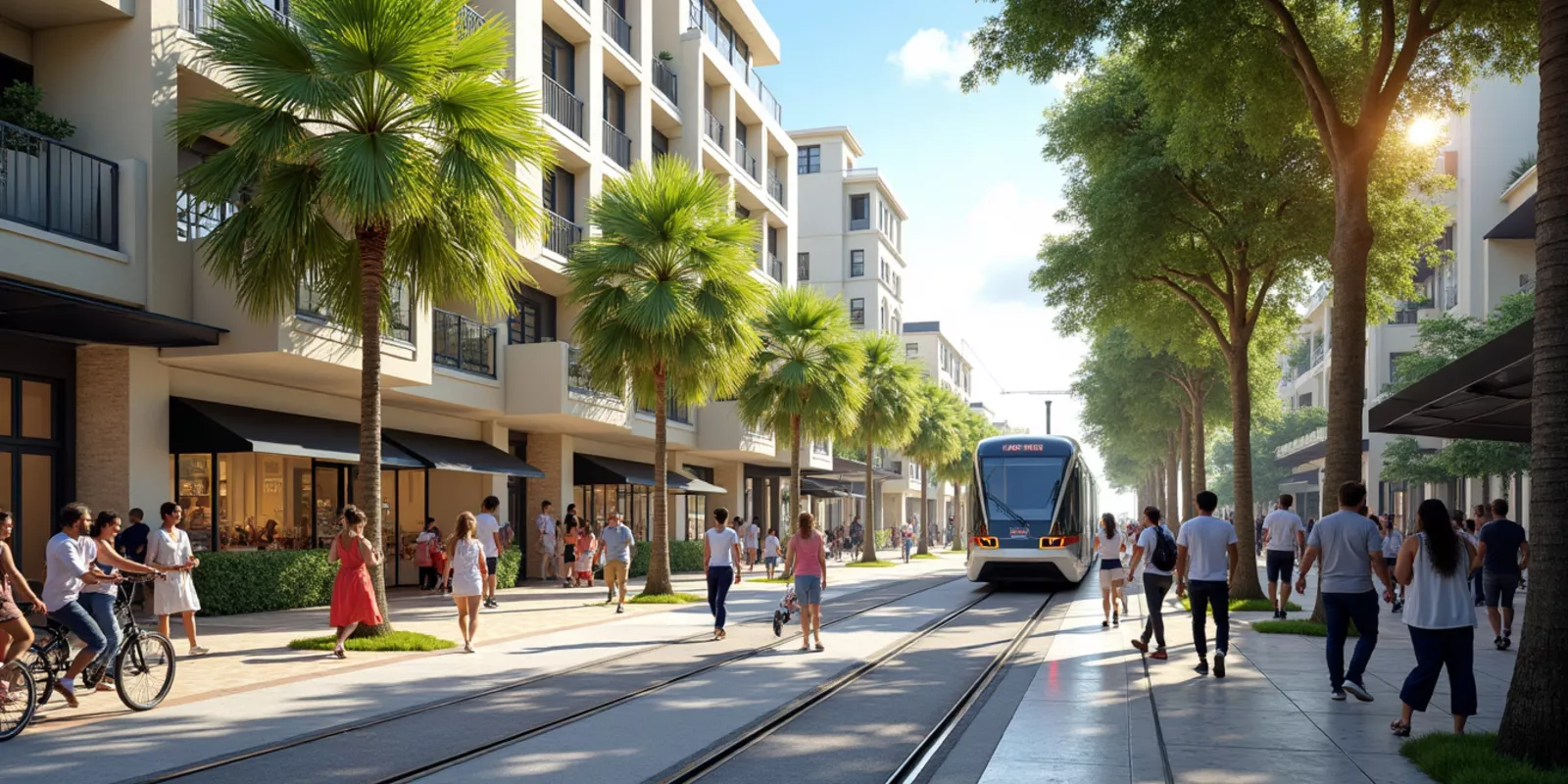
The Transit-Oriented Development (TOD) model is a powerful urban planning approach aimed at creating vibrant, walkable communities around public transport hubs. In this article, we will explore the feasibility of implementing the TOD model in Doral’s western sectors, where rapid growth presents both opportunities and challenges.
Doral is experiencing significant growth, especially in its western sectors. With new residential developments and commercial projects on the rise, the need for effective urban planning has never been more pressing. The TOD model promotes high-density housing, reduced car dependency, and improved access to public transport. But can this model work here without disrupting the established residential density?
Understanding the implications of TOD requires analyzing existing case studies. I’ll share three examples from different cities that illustrate both successes and challenges of implementing this model.
Arlington's Ballston area transformed into a TOD hub by focusing on mixed-use development. High-rise buildings with apartments sit next to offices and retail spaces. This design encourages walking and cycling while reducing reliance on cars.
However, some residents express concerns about rising rents and the loss of community character. Balancing development with affordability remains a key challenge.
Portland has embraced TOD through its light rail system, which spurred development along transit lines. Neighborhoods like Hillsboro saw an increase in public transport ridership and local business growth.
Yet, issues arose with traffic congestion as more people moved into these areas. The city learned that TOD works best when paired with infrastructure improvements.
Toronto’s approach to TOD focuses on creating vibrant public spaces. Projects near subway stations have integrated parks and plazas, enhancing community engagement.
On the downside, the fast-paced development led to community pushback regarding green spaces being converted to commercial use. This highlighted the importance of maintaining community input in planning processes.
Explore how Doral can learn from these cities by understanding their successes and missteps in implementing TOD.
Transit-Oriented Development (TOD) is a planning model that promotes high-density housing and mixed-use developments near public transport facilities to encourage sustainable living.
TOD can enhance Doral by reducing traffic congestion, improving air quality, and fostering a sense of community through walkable neighborhoods with accessible amenities.
Doral may encounter resistance from residents concerned about increased density and potential changes to neighborhood character. Balancing growth with community needs is crucial.
Yes, cities like Orlando and Miami have implemented successful TOD projects that improved transit access and revitalized neighborhoods while addressing community concerns.
Residents can participate in public meetings, engage with local officials through social media, or join advocacy groups focused on urban development issues in Doral.
If you have thoughts or ideas about how Doral can implement TOD effectively, I’d love to hear them!
Let’s work together to create a vibrant urban environment that reflects our community's needs!
If you have any questions or would like to learn more about this topic, I’m here to help. My name is Gustavo Garagorry, and I am certified in Open Municipal Government by the United Nations Government School. I would love to hear from you—please don’t hesitate to contact me at (728) 207-6048.

Gustavo Garagorry is a legislative strategist and community leader based in Doral, specializing in public management, policy analysis, and urban infrastructure development. With over 8 years of direct experience at City Hall, he designs technical solutions to strengthen public safety, optimize traffic, and ensure transparent administration. He connects resident needs with proven authority and real results in Florida's public sector
Cybersecurity Strategies for Local Governments
Cybersecurity is crucial for local governments like Doral, protecting sensitive data and infrastructure.
Seguridad Vial y Privacidad en el Tráfico Automatizado
La implementación de sistemas automatizados para el control de tráfico busca mejorar la seguridad peatonal, especialmente en zonas escolares. Sin embargo, surgen preocupaciones sobre la privacidad de los residentes, creando un debate necesario sobre su uso y efectividad.
Modernización del Drenaje: Prevención de Inundaciones
La modernización del drenaje es crucial para prevenir inundaciones y ahorrar costos a largo plazo. Este artículo explora la importancia de mantener los sistemas de drenaje, presentando casos reales que demuestran cómo la inversión adecuada puede evitar daños significativos.