Smart City Investments: Transforming Doral's Future
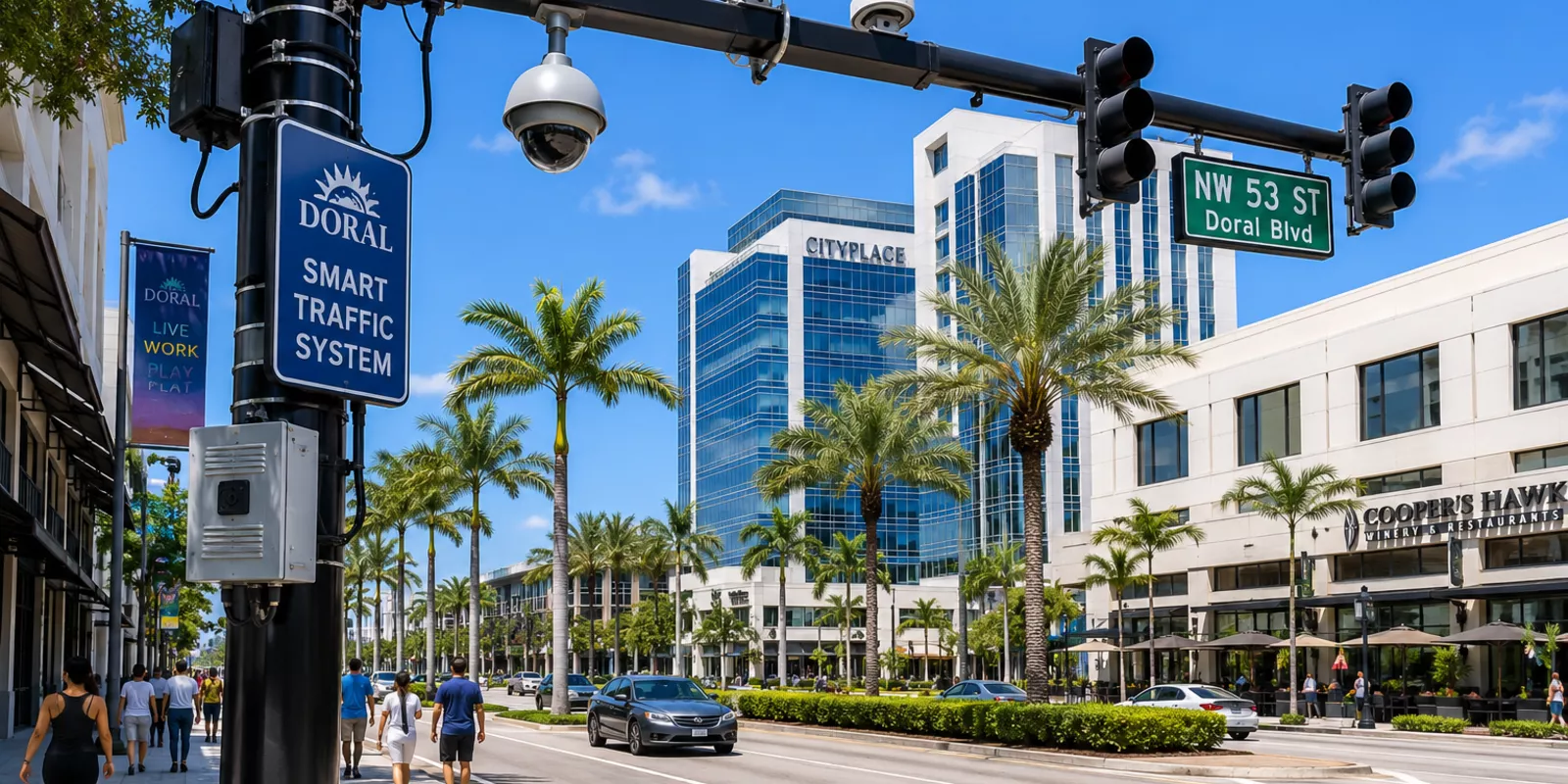
Investing in the Future: Budget Allocations for Smart City Technology and Innovation focuses on the digital transformation and how tech spending improves Doral city services. As cities evolve, they embrace technology to enhance infrastructure, improve public services, and foster economic growth. This article delves into practical budget allocations for smart city technology, supported by real-world examples from Doral.
As a resident of Doral, I've witnessed firsthand the city's transformation through technology. The integration of smart city solutions has reshaped our urban experience. From improved traffic management to better waste collection systems, technology is at the heart of it all. But how does a city allocate its budget effectively for these advancements? This article explores that very question.
One notable example is Doral's investment in an advanced traffic management system. This system utilizes sensors and data analytics to optimize traffic flow. With an allocation of approximately $1 million, the city reduced congestion significantly during peak hours. During my daily commute, I've noticed the impact—fewer delays and smoother travel.
Doral also implemented a smart waste management solution, which uses IoT sensors in bins to monitor fill levels. The city spent around $500,000 on this initiative. By scheduling pickups only when necessary, the city has decreased operational costs and enhanced service efficiency. I’ve seen the difference during my walks around the neighborhood—less overflowing trash means a cleaner environment.
Another area of focus is public safety. Doral allocated $800,000 to upgrade surveillance cameras throughout the city. This investment not only enhances security but also fosters community trust in law enforcement. I feel safer knowing that there’s an increased presence of technology monitoring public spaces.
Interested in learning more about how technology can transform your community? Reach out!
The examples above illustrate how targeted budget allocations can lead to tangible improvements in urban living. Each investment not only addresses current needs but also paves the way for future developments.
A smart city uses technology to enhance performance across various sectors such as transportation, energy, and public services, improving quality of life for residents.
Budget allocations directly influence the scope and scale of smart city projects, determining what technologies can be adopted and how quickly they can be implemented.
Common technologies include IoT sensors, data analytics platforms, traffic management systems, and smart waste solutions.
Residents can participate by attending town hall meetings, providing feedback through surveys, or joining local advocacy groups focused on urban development.
While beneficial, challenges include data privacy concerns and potential reliance on technology that may not always function as intended.
If you want personalized advice on investing in smart city technologies for your area, let’s talk!
Your insights matter! Share your thoughts on how technology has impacted your community with me!
Doral's journey into becoming a smart city showcases practical budget allocations that yield significant improvements. As an expert in urban development, I encourage residents and stakeholders alike to engage actively in discussions surrounding these investments. Together, we can shape our city's future effectively.
If you have questions or would like to discuss how to navigate budget allocations for smart technologies further, don’t hesitate to reach out. I’m here to help!
If you have any questions or would like to learn more about this topic, I’m here to help. My name is Gustavo Garagorry, and I am certified in Open Municipal Government by the United Nations Government School. I would love to hear from you—please don’t hesitate to contact me at (728) 207-6048.

Gustavo Garagorry is a legislative strategist and community leader based in Doral, specializing in public management, policy analysis, and urban infrastructure development. With over 8 years of direct experience at City Hall, he designs technical solutions to strengthen public safety, optimize traffic, and ensure transparent administration. He connects resident needs with proven authority and real results in Florida's public sector
Reservas Fiscales: Clave para la Salud Financiera de Doral
El Informe Financiero Anual Comprensivo (ACFR) de Doral es clave para entender la salud fiscal de la ciudad. Este artículo explora cómo las reservas fiscales permiten a Doral responder a emergencias, planificar proyectos y enfrentar crisis económicas con eficacia.
Improving Pedestrian Connectivity in Downtown Doral
This article examines pedestrian connectivity in Downtown Doral, CityPlace, and Central Park. It highlights current gaps in walkability and proposes solutions such as green corridors and protected bike lanes to enhance accessibility and foster community engagement.
Doral's Infrastructure Upgrades for 2026
Doral is set for significant infrastructure improvements by 2026, focusing on transportation upgrades, public transit enhancements, and revitalized parks. These changes aim to enhance community quality of life, boost property values, and promote sustainability.