Navigating Class-A Office Spaces in Hybrid Work Era
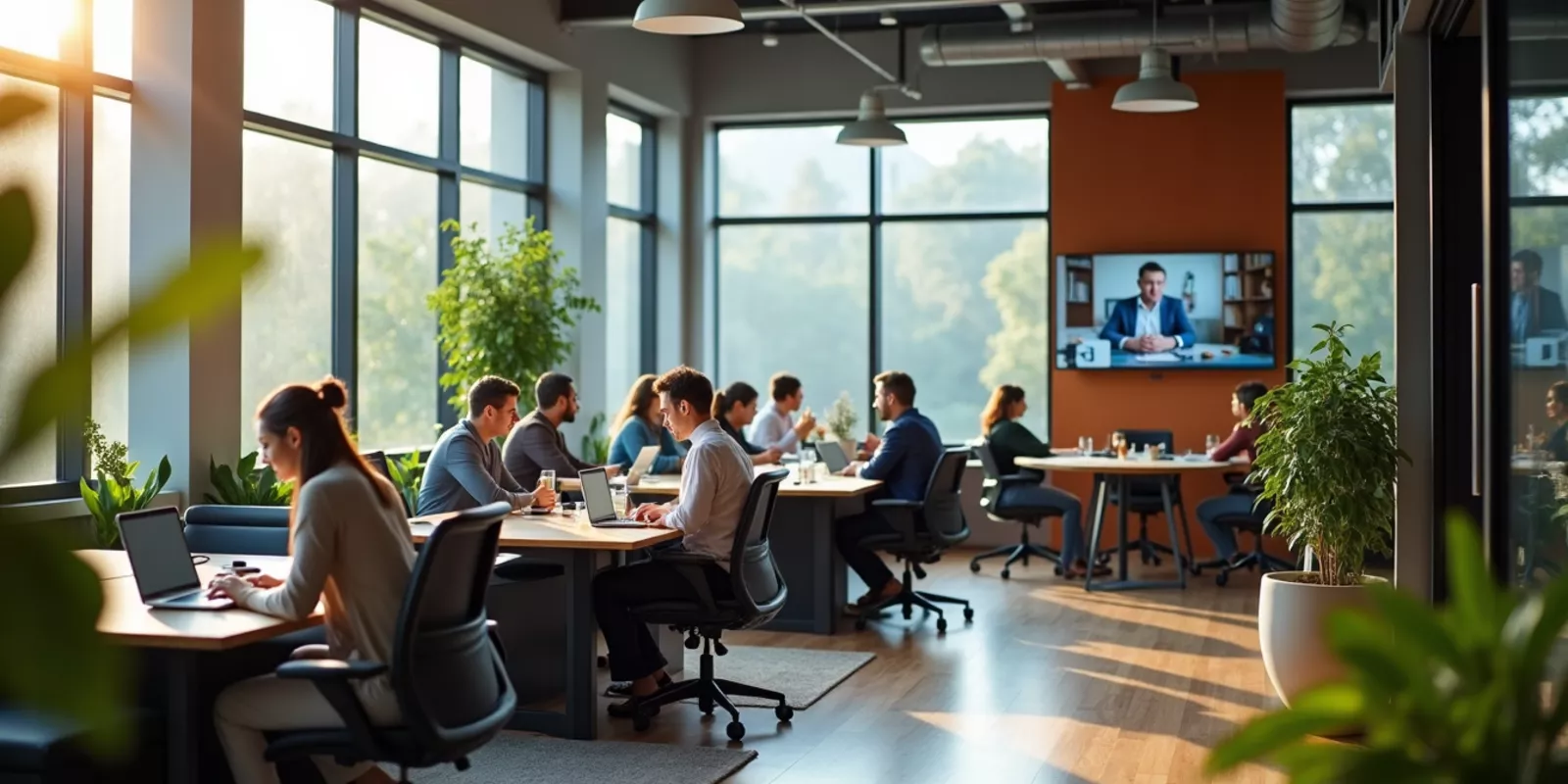
Commercial Real Estate 2.0 explores the evolving landscape of Class-A office spaces in a hybrid work era. As businesses adjust to new working models, understanding supply and demand in urban environments becomes critical for maintaining property value and occupancy rates.
The shift to hybrid work has fundamentally changed how we view Class-A office spaces. Companies are no longer committing to long-term leases without considering flexible options. This change creates a challenge for property owners who must adapt to fluctuating demand.
As an investor, I've seen firsthand how the hybrid model affects rental agreements. Some tenants now request shorter leases, which can lead to increased turnover. It's a balancing act between maintaining occupancy and accommodating tenant needs.
This article discusses key trends and offers insights into navigating this new landscape.
A major firm in downtown Miami transformed its unused office areas into co-working spaces. The result? A 30% increase in foot traffic and a surge in interest from startups looking for short-term leases. This adaptation allowed the company to maintain its property value while catering to emerging market needs.
In another instance, a developer reimagined traditional office layouts by incorporating conference centers designed for both in-person and virtual meetings. This pivot appealed to companies focused on hosting hybrid events. Feedback showed that 85% of tenants found this flexibility crucial for their operations.
A property manager added amenities such as outdoor lounges and wellness rooms in response to tenant feedback about remote work fatigue. The enhancement led to higher tenant satisfaction rates, with over 70% stating they would renew their leases due to these improvements.
If you're interested in learning more about optimizing your commercial space for the hybrid work era, feel free to reach out!
Class-A office space refers to high-quality buildings located in prime locations with excellent amenities and services. They typically have modern infrastructure and attract reputable tenants.
The hybrid model has led to decreased demand for traditional office spaces while increasing the need for flexible environments that accommodate both remote and in-office work.
Owners can offer flexible lease terms, incorporate modern amenities, and provide collaborative spaces that foster community among tenants.
Cities with robust job markets and accessibility tend to attract more demand for Class-A spaces, such as New York, San Francisco, and Miami.
Keep an eye on sustainability practices, technology integration, and evolving tenant preferences as they will shape the future of commercial real estate significantly.
I encourage you to think about how these insights could apply to your own properties or investments.
Let's connect if you're exploring options for enhancing your commercial spaces!
If you have any questions or would like to learn more about this topic, I’m here to help. My name is Gustavo Garagorry, and I am certified in Open Municipal Government by the United Nations Government School. I would love to hear from you—please don’t hesitate to contact me at (728) 207-6048.

Gustavo Garagorry is a legislative strategist and community leader based in Doral, specializing in public management, policy analysis, and urban infrastructure development. With over 8 years of direct experience at City Hall, he designs technical solutions to strengthen public safety, optimize traffic, and ensure transparent administration. He connects resident needs with proven authority and real results in Florida's public sector
Improving Traffic Flow in Doral: Proven Strategies
This article outlines effective solutions for improving traffic in Doral during peak hours. It discusses strategies such as intelligent traffic signals, public transportation incentives, and bike lanes, supported by successful case studies from other cities.
Estacionamiento Inteligente: Soluciones para Doral
Las soluciones de estacionamiento inteligente en Doral están transformando la forma en que los conductores buscan espacios. Con el uso de aplicaciones y sensores, se reduce la congestión y se mejora la experiencia al estacionar, beneficiando a la comunidad y el medio ambiente.
Transforming Emergency Services with Technology
In Doral, advancements in technology are transforming emergency services by significantly reducing response times for firefighters and paramedics. Tools like GPS, real-time data sharing, and drones enhance efficiency, ensuring quicker responses and better outcomes during emergencies.