Maximizing Community Benefits Through Public-Private Partnerships
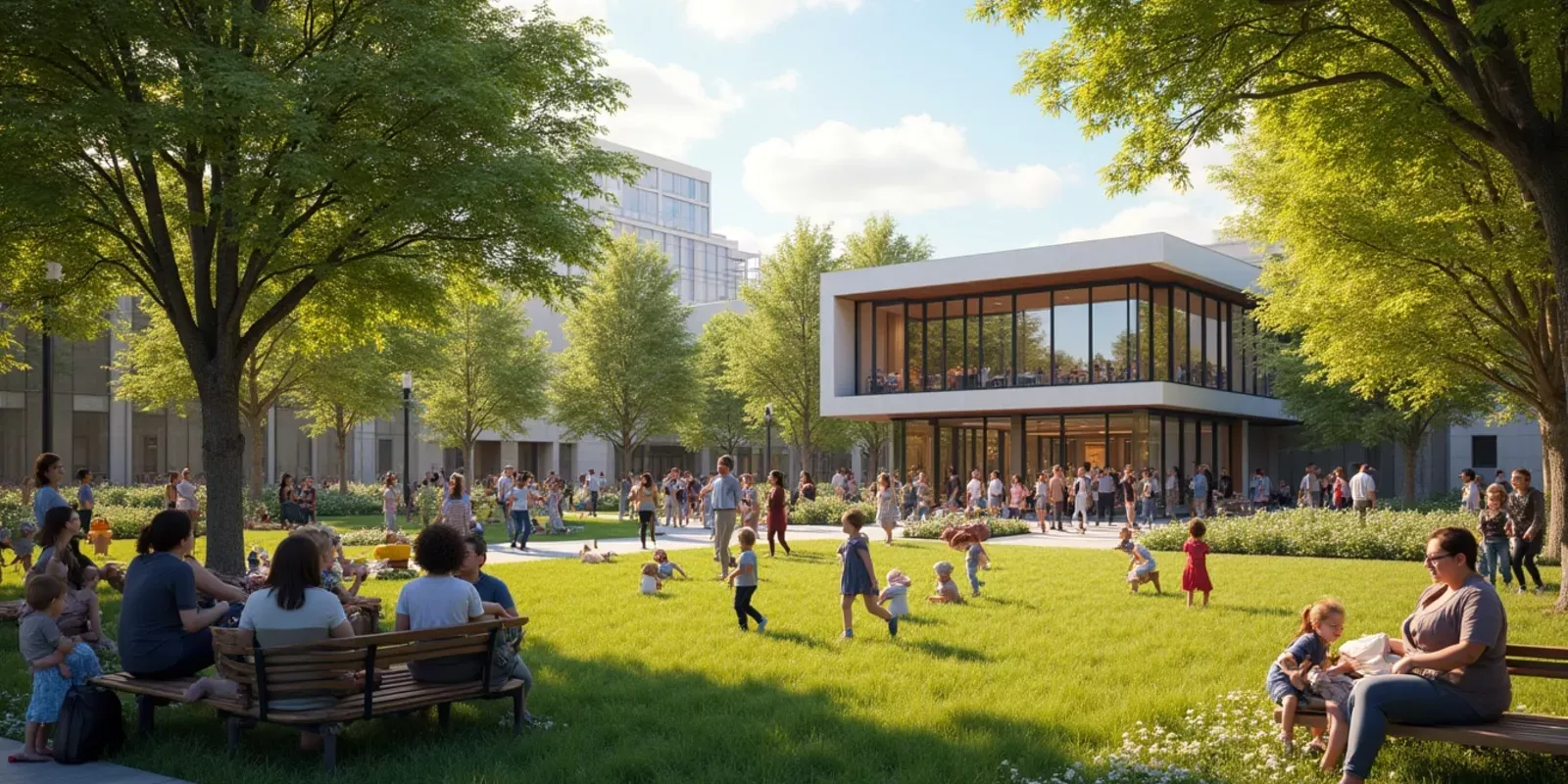
Public-private partnerships (PPPs) have become a vital aspect of urban development, particularly for large-scale projects like the "Doral 10." Understanding the legal framework behind these agreements is crucial for ensuring that communities reap tangible benefits, such as enhanced public spaces and improved infrastructure. This article explores the ins and outs of PPPs, focusing on their legal structuring to maximize community returns.
The concept of public-private partnerships isn't new, but its application in urban projects like Doral 10 reveals much about how communities can benefit from these arrangements. The key lies in crafting a robust legal framework that aligns the interests of both public entities and private developers. A well-structured agreement can lead to outcomes that significantly improve local amenities and infrastructure.
A strong legal structure is essential for the success of public-private partnerships. These agreements often involve complex negotiations between government entities and private firms. They must outline the roles, responsibilities, and expectations of all parties involved. Here are some fundamental aspects to consider:
The structure should also comply with local laws and regulations, which can vary significantly by region. This compliance helps mitigate legal challenges down the road.
A successful example of a public-private partnership is the development of a community park in Doral (MAU Park at 97 Ave). The city collaborated with a private developer who was tasked with creating green spaces while maintaining by Millennial Atlantic University and City of Doral Public Work. The legal agreement stipulated that a portion of the park's revenue would fund community programs, ensuring long-term benefits for residents.
An infrastructure project involving drainage systems in Doral demonstrated the importance of risk allocation. The city negotiated with a construction firm to share costs associated with unforeseen challenges like weather delays. This flexibility in the contract allowed for timely project completion while minimizing financial burden on both parties.
The renovation of cultural spaces has also been a focal point in PPP agreements. In one instance, a public library partnered with a private company to enhance its facilities. The contract included performance metrics related to user engagement and satisfaction, ensuring that improvements were genuinely beneficial for the community.
If you’re considering how your community could benefit from public-private partnerships, let’s discuss your ideas!
Interested in learning more about structuring these agreements effectively? I’m here to help!
Feel free to reach out if you want to explore how we can create better spaces through collaboration.
Public-private partnerships (PPPs) are collaborative agreements between government entities and private companies aimed at delivering public services or infrastructure projects efficiently.
A project typically qualifies if it serves a public interest and requires significant investment that neither party can bear alone. Consulting with legal experts can clarify your project's eligibility.
Common risks include financial uncertainties, regulatory changes, and operational failures. A well-structured contract addresses these issues upfront to mitigate potential problems.
PPPs can provide communities with enhanced infrastructure, better services, and additional funding for public projects, leading to overall improvements in quality of life.
Consider factors like risk allocation, financial arrangements, performance metrics, and compliance with local laws when negotiating your partnership agreement.
Gustavo Garagorry is an experienced consultant in public-private partnerships, dedicated to helping communities thrive through effective collaboration. If you want to discuss your project or have any questions about PPPs, don’t hesitate to get in touch!

Gustavo Garagorry is a legislative strategist and community leader based in Doral, specializing in public management, policy analysis, and urban infrastructure development. With over 8 years of direct experience at City Hall, he designs technical solutions to strengthen public safety, optimize traffic, and ensure transparent administration. He connects resident needs with proven authority and real results in Florida's public sector
Conversiones Comerciales a Residenciales Efectivas
En este artículo, exploraremos la conversión de espacios comerciales en residenciales en centros suburbanos, abordando los desafíos de zonificación y presentando casos prácticos. Analizaremos estrategias efectivas y la importancia de la colaboración comunitaria para el éxito del proyecto.
Leveraging MIA for International Trade Success
Global connectivity is vital for businesses, especially those near Miami International Airport (MIA). This article explores how proximity to MIA can enhance international trade through real-world case studies and practical strategies for optimizing logistics and operations.
Desarrollo de Usos Mixtos en Doral y Otras Áreas
El desarrollo de usos mixtos se ha vuelto esencial en la creación de comunidades. Este artículo explora el éxito de Doral como modelo a seguir, analizando sus características y casos similares en otras áreas. Se enfatiza la importancia de un enfoque responsable y sostenible en el crecimiento urbano.