Incentivizing Sustainable Urbanism through Green Codes
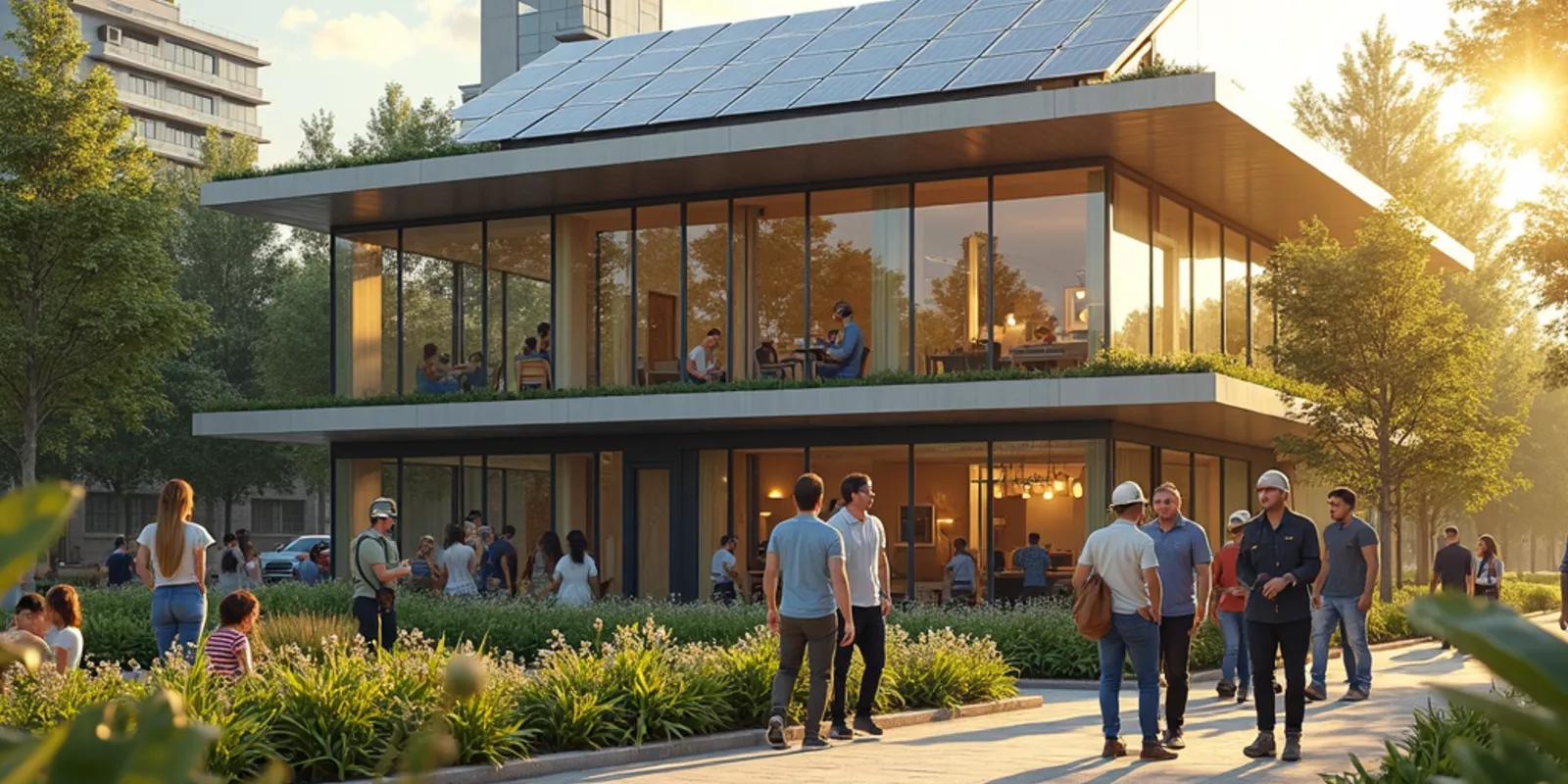
Green building codes are essential for promoting sustainable urbanism in commercial districts. These regulations guide developers toward environmentally friendly practices. By incorporating such codes, cities can foster a culture of sustainability while also benefiting from economic incentives. This article explores the mechanisms behind green building codes and their practical implications for urban development.
Green building codes provide a framework that encourages developers to consider sustainability in their projects. In recent years, many cities have adopted these regulations, aiming to reduce energy consumption and environmental impact. My experience with various developments shows that these codes often lead to innovative designs and methods. For example, the use of recycled materials or energy-efficient systems not only helps the environment but can also save costs in the long run.
The conversation around green building is evolving. It’s no longer just about meeting basic codes; it’s about enhancing community wellbeing and creating spaces that are resilient to climate change. Cities like San Francisco have set ambitious goals, encouraging developers to go beyond compliance. As I’ve seen firsthand, this shift has opened up opportunities for innovation.
Many cities offer various incentives to promote green building practices. These incentives can range from expedited permitting processes to tax rebates. Here are some key incentives I’ve encountered:
A recent project I worked on involved constructing an eco-friendly office building in downtown Austin. The city offered financial rebates for using solar panels and recycled materials. As a result, the project was not only completed ahead of schedule but also received positive attention from potential tenants looking for sustainable office space.
I consulted on a mixed-use housing development in Seattle that prioritized green building codes. The city incentivized developers with expedited permits if they included green roofs and rainwater harvesting systems. This led to a vibrant community space that attracted environmentally conscious residents, significantly enhancing the neighborhood's appeal.
A retail center I helped revitalize in Chicago utilized several green initiatives supported by local codes. We incorporated energy-efficient lighting and native landscaping, which reduced water usage. The project not only met the required codes but became a model for future developments in the area, showing how sustainability can coexist with commercial viability.
Are you considering a project that aligns with green building codes? Let’s discuss how we can make your vision a reality.
Green building codes are regulations designed to encourage sustainable construction practices. They typically cover aspects like energy efficiency, water conservation, and material sourcing.
Developers can benefit from financial incentives, faster permit approvals, and increased marketability by adhering to green building codes.
Yes, certifications like LEED (Leadership in Energy and Environmental Design) and BREEAM (Building Research Establishment Environmental Assessment Method) are commonly pursued by projects seeking recognition for sustainability efforts.
Absolutely! Many existing buildings can undergo renovations to incorporate energy-efficient systems and sustainable materials, aligning them with current green standards.
Your local government or planning department usually provides information about applicable green building codes and any associated incentives.
If you’re interested in exploring how your project can meet green building standards, don’t hesitate to reach out. Your next steps could lead to significant benefits!
If you have any questions or would like to learn more about this topic, I’m here to help. My name is Gustavo Garagorry, and I am certified in Open Municipal Government by the United Nations Government School. I would love to hear from you—please don’t hesitate to contact me at (728) 207-6048.

Gustavo Garagorry is a legislative strategist and community leader based in Doral, specializing in public management, policy analysis, and urban infrastructure development. With over 8 years of direct experience at City Hall, he designs technical solutions to strengthen public safety, optimize traffic, and ensure transparent administration. He connects resident needs with proven authority and real results in Florida's public sector
Doral: Presupuesto Récord para un Futuro Mejor
Doral ha establecido un presupuesto récord de $174 millones, que busca mejorar la infraestructura, la educación y la seguridad pública. Este artículo explora su impacto en la comunidad, destacando proyectos clave y ofreciendo perspectivas sobre el futuro de la ciudad.
Upgrading Park Safety for Children
This article discusses the importance of upgrading park infrastructure to enhance child safety. It explores practical strategies, case studies of successful park revamps, and emphasizes community engagement in creating safer playgrounds through compliance with building codes.
Consejo Municipal: Impulso a las Empresas Locales
En este artículo, exploraremos cómo las políticas del Consejo Municipal en el Asiento 4 pueden crear un entorno favorable para las empresas. Abordaremos temas de impuestos, regulaciones y salud económica, junto con estudios de caso y consejos prácticos para emprendedores.