Improving Pedestrian Connectivity in Downtown Doral
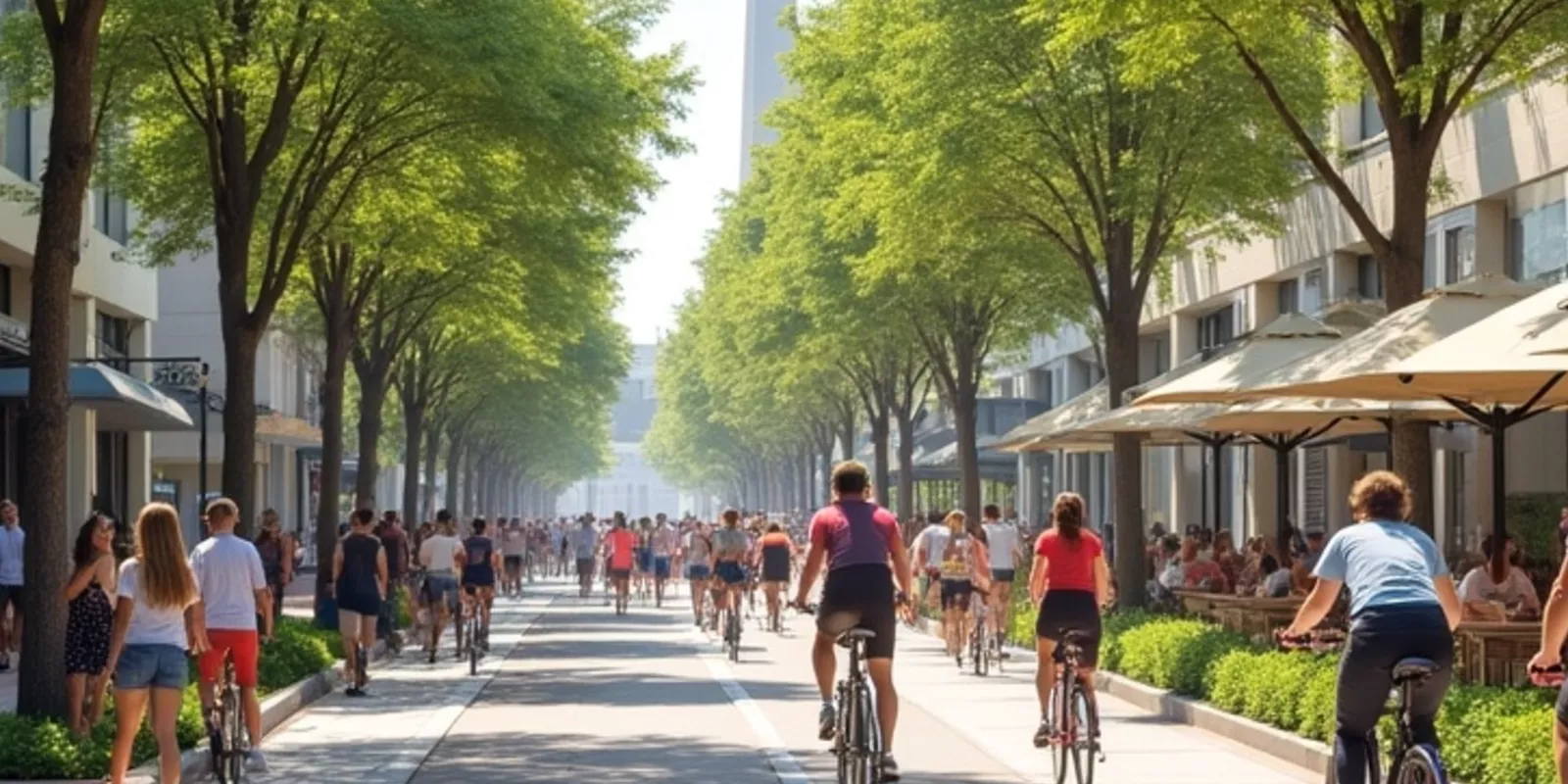
In this article, we will explore pedestrian connectivity in Downtown Doral, CityPlace, and Central Park. We'll analyze the current gaps in walkability and propose solutions to create safer, greener pathways. Effective urban design can transform these areas, making them more accessible for everyone.
The layout of Downtown Doral, CityPlace, and Central Park presents unique challenges for pedestrians. Despite being vibrant hubs of activity, these areas lack continuous walkable paths. This disconnect affects foot traffic and community engagement. Understanding how to improve pedestrian connectivity is essential for fostering a welcoming urban environment.
Urban areas need to facilitate movement among different destinations. Without safe and attractive pathways, residents are less likely to explore their surroundings. This article discusses actionable steps to enhance pedestrian connectivity through green corridors and protected bike infrastructure.
Downtown Doral has taken steps toward improving walkability by initiating streetscape projects. Sidewalks have been widened, and crosswalks painted with bright colors draw attention. However, the main challenge remains the connectivity between different blocks.
Improving walkability isn't just about wider sidewalks; it's about creating inviting spaces that people want to use.
A proposed green corridor in CityPlace aims to connect parks with retail areas. The concept includes landscaped paths featuring native plants. While initial feedback has been positive, funding remains a barrier.
I've seen firsthand how green spaces can revitalize an area—people are more likely to stroll when nature is part of the experience.
Central Park has been recognized for its bike-friendly policies, but there is still room for improvement. Protected bike lanes could offer safer routes for cyclists traveling between neighborhoods. Current bike paths are often interrupted by traffic signals or end abruptly.
We must prioritize cycling as a legitimate mode of transportation—not just recreation.
Green corridors are designated pathways that incorporate vegetation and natural elements. They serve both as transportation routes and recreational spaces.
Enhanced walkability attracts foot traffic, encouraging customers to explore shops and restaurants. When people feel safe walking around, they tend to spend more time—and money—in the area.
Bike lanes complement pedestrian pathways by offering alternative transportation options. When cyclists have safe routes, it reduces congestion and promotes a healthier lifestyle.
Cities often rely on community input, feasibility studies, and funding availability to prioritize urban development projects like these. Engaging local stakeholders is crucial for success.
Yes! Many cities have community boards or advocacy groups where residents can voice their opinions or volunteer for projects aimed at enhancing urban infrastructure.
If you have any questions or would like to learn more about this topic, I’m here to help. My name is Gustavo Garagorry, and I am certified in Open Municipal Government by the United Nations Government School. I would love to hear from you—please don’t hesitate to contact me at (728) 207-6048.

Gustavo Garagorry is a legislative strategist and community leader based in Doral, specializing in public management, policy analysis, and urban infrastructure development. With over 8 years of direct experience at City Hall, he designs technical solutions to strengthen public safety, optimize traffic, and ensure transparent administration. He connects resident needs with proven authority and real results in Florida's public sector
Please wait we are getting the data...
In this article, we'll explore sunset clauses and performance metrics in municipal programs. We'll look at their importance in ensuring that public funds are used effectively. Municipalities can benefit greatly from these strategies, ensuring programs earn their renewal through measurable results.
Revisión de la Carta Municipal: Clave para Doral
La revisión de la carta municipal es fundamental para garantizar la transparencia y limitar el poder del gobierno local. Este proceso, realizado cada cinco años en Doral, permite a los ciudadanos participar activamente en decisiones clave que afectan su comunidad.
Expansión del Trolley de Doral para una movilidad sostenible
El futuro del Trolley de Doral se enfoca en expandir sus rutas para mejorar el transporte público y reducir el tráfico vehicular. Este cambio promete conectar vecindarios, facilitar la movilidad y fomentar un estilo de vida más sostenible en la ciudad.