Enhancing Transparency in Zoning Board Decisions
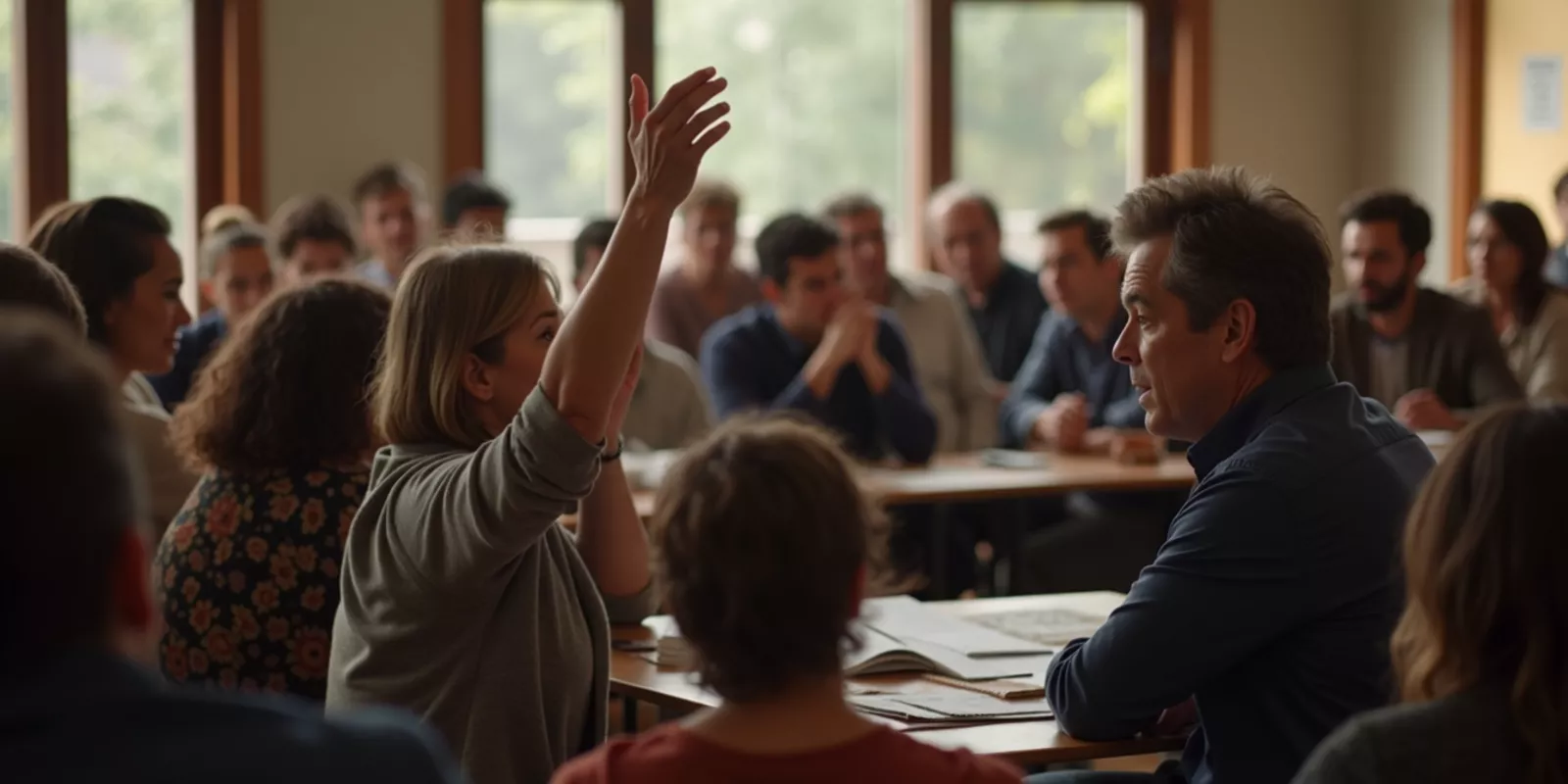
The Role of the Planning and Zoning Board: Enhancing Transparency in Land-Use Decisions explores how this municipal body functions. It offers insights on improving public zoning hearings, making them more accessible for residents.
The Planning and Zoning Board plays a crucial role in local government. It makes decisions on land-use applications and zoning regulations. Many people don’t realize how much impact these decisions have on their communities. In my experience, the transparency of these processes can vary widely.
During public hearings, residents often feel overwhelmed. They may not understand the legal jargon or the implications of zoning changes. This can lead to disengagement and frustration. For example, I attended a recent zoning board meeting where many attendees left without clear answers. This highlighted a gap in communication between the board and the community.
A proposal for a new park in an urban area brought out mixed feelings among residents. Some were excited about more green space, while others were concerned about increased traffic. During the hearing, several residents expressed confusion over how the board would address these concerns.
It’s essential for the board to communicate effectively during public hearings.
A downtown area underwent significant zoning changes aimed at increasing commercial development. Many residents felt blindsided by the speed of these changes. I spoke with a few who had no idea about the potential impacts on their homes or businesses.
I believe that providing clear information ahead of time can reduce anxiety.
A new residential development proposal near local schools faced intense scrutiny from parents and teachers alike. Concerns over safety and traffic were at the forefront of discussions. However, the lack of detailed plans shared with the community led to a tense atmosphere during meetings.
Open dialogue can help bridge gaps between developers and residents.
The Planning and Zoning Board is responsible for reviewing land-use applications, ensuring they comply with local regulations and planning goals.
Residents can attend public hearings, provide feedback, and ask questions regarding proposed projects or changes.
Challenges include legal terminology, varying levels of understanding among residents, and limited time for discussion during meetings.
Yes, many municipalities provide online resources, workshops, and guides to help residents understand zoning laws better.
Improving transparency can involve simplifying language used in documents, offering more public forums for discussion, and sharing information well in advance of meetings.
If you have any further questions or want to discuss land-use decisions in your area, feel free to reach out. My name is Gustavo Garagorry, and I have extensive experience working with planning boards to improve community engagement. Let’s work together to enhance transparency in your local processes!

Gustavo Garagorry is a legislative strategist and community leader based in Doral, specializing in public management, policy analysis, and urban infrastructure development. With over 8 years of direct experience at City Hall, he designs technical solutions to strengthen public safety, optimize traffic, and ensure transparent administration. He connects resident needs with proven authority and real results in Florida's public sector
El Valor de las Propiedades y los Espacios Verdes
Explorar cómo los espacios verdes afectan el valor de las propiedades en Doral es esencial para entender su economía. Este artículo detalla los beneficios de un entorno sostenible, casos prácticos y su impacto positivo en el mercado inmobiliario local.
Financial Transparency: Building Community Trust
Financial transparency is essential for building trust between local governments and citizens. By making financial records accessible and easy to understand, communities can enhance civic engagement, encourage accountability, and improve overall public confidence.
Transforming Doral's Office Spaces for the Future
The article discusses the transformation of older commercial spaces in Doral into modern, flexible office environments. It includes case studies highlighting successful conversions, key features that attract tenants, and insights on current trends in office design.