Enhancing Pediatric Care Access for Families
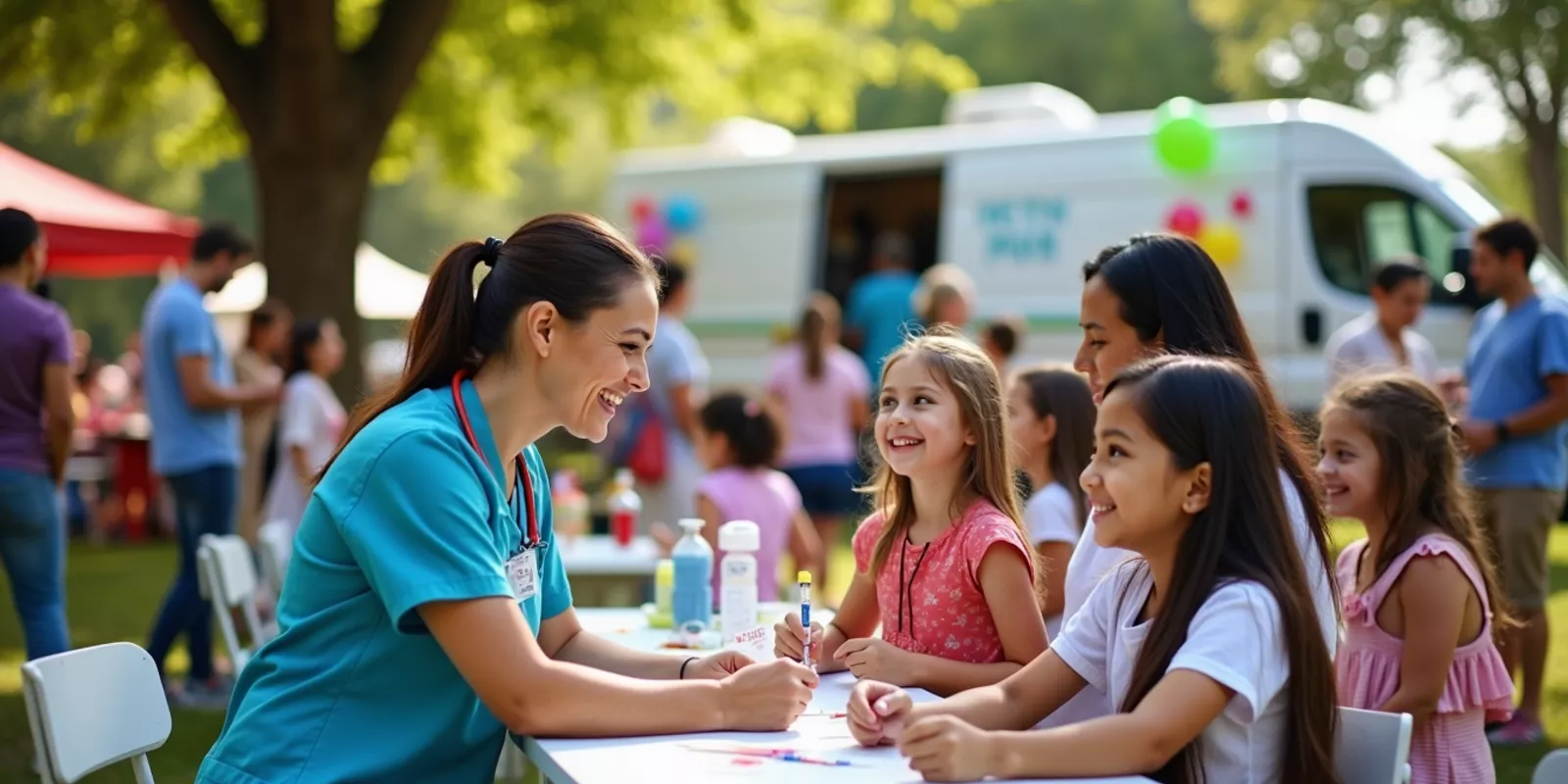
Family-First Wellness focuses on enhancing access to pediatric and preventive care for children. This initiative emphasizes community awareness and accessibility, aiming to provide families with the resources they need to prioritize their children's health.
Access to pediatric care is a critical issue for many families. My own experiences have shown me just how vital it is for parents to have convenient access to healthcare services for their children. Whether it's routine check-ups or unexpected illnesses, the ability to quickly find and utilize these services can make a significant difference in a child's well-being.
In many neighborhoods, especially those underserved, families face obstacles when trying to access these essential services. Long wait times, lack of transportation, and financial barriers often complicate the process. It's essential that communities come together to improve this situation. The Family-First Wellness initiative aims to bridge these gaps by increasing awareness and availability of pediatric care.
This article discusses several case studies highlighting successful strategies communities have implemented to enhance pediatric healthcare access. These examples illustrate practical solutions that other areas can adapt.
One effective strategy is organizing community health fairs. In my town, a local nonprofit began hosting annual health fairs that provided free check-ups and vaccinations for children. These events included various activities to engage families, making them feel welcome and supported.
Local businesses contributed by sponsoring booths or donating supplies, which helped create a vibrant atmosphere. Families who might not have otherwise sought out healthcare took advantage of these fairs. The result was a noticeable increase in vaccination rates among children in the area.
Are you interested in bringing a health fair to your community? Let's discuss how we can make it happen!
Another promising approach is mobile clinics. A neighboring city implemented a mobile health unit that travels to various neighborhoods each week. The clinic provides basic medical services, including immunizations, screenings, and wellness checks.
This service has proven invaluable for families without reliable transportation. Parents can take their children for care right in their own neighborhoods. The convenience of this model encourages families to prioritize regular check-ups.
Want more information about mobile clinics? I'm here to help!
School-based health services offer yet another effective solution. In one school district where I volunteered, on-site nurses provided care for students during school hours. They handled everything from minor injuries to chronic condition management.
This model not only made healthcare accessible but also educated children about health and wellness. Parents appreciated having a reliable resource available throughout the school day.
Could your child's school benefit from similar services? Let’s talk about the possibilities!
Family-First Wellness is an initiative aimed at enhancing access to pediatric and preventive care through community awareness and resources.
Communities can improve access through strategies like health fairs, mobile clinics, and school-based health services, which bring care directly to families.
Health fairs provide free services in a welcoming environment, encouraging families who may avoid traditional healthcare settings due to cost or accessibility issues.
Mobile clinics are vehicles equipped to provide medical services directly within communities, particularly beneficial for those lacking transportation options.
School-based health services involve healthcare providers stationed at schools to offer medical care during school hours, making it easier for students to receive treatment without missing classes.
As someone who has seen the impact of accessible healthcare firsthand, I am committed to supporting initiatives that prioritize children's well-being. If you're looking for guidance on enhancing access to pediatric care in your community or want more information on these strategies, please reach out. Together we can create healthier futures for our children.
Gustavo Garagorry, an expert in community health initiatives, is here to help you navigate these important discussions. Don’t hesitate to contact me at (728) 207-6048 for personalized advice or support.

Gustavo Garagorry is a legislative strategist and community leader based in Doral, specializing in public management, policy analysis, and urban infrastructure development. With over 8 years of direct experience at City Hall, he designs technical solutions to strengthen public safety, optimize traffic, and ensure transparent administration. He connects resident needs with proven authority and real results in Florida's public sector
Doral's Thriving Sports Culture and Community Events
Doral boasts a vibrant sports culture, featuring events like marathons and youth leagues that foster community spirit and health. This article explores local sporting activities, their impact on connections among residents, and how to get involved.
Estrategias para Mejorar el Reciclaje en Doral
En este artículo, exploraremos estrategias efectivas para aumentar la eficiencia del reciclaje en Doral. A través de la educación y mejoras en los servicios, podemos incrementar las tasas de reciclaje y promover una cultura ambiental más fuerte en nuestra comunidad.
Smart Subdivision Design: Preventing Neighborhood Gridlock
Subdivision regulations are essential for preventing traffic congestion in neighborhoods. By focusing on smart plot design and efficient street layouts, municipalities can enhance safety and functionality. This article explores the importance of these regulations through real-world case studies.