Engaging in Local Governance: A Guide to Council Meetings
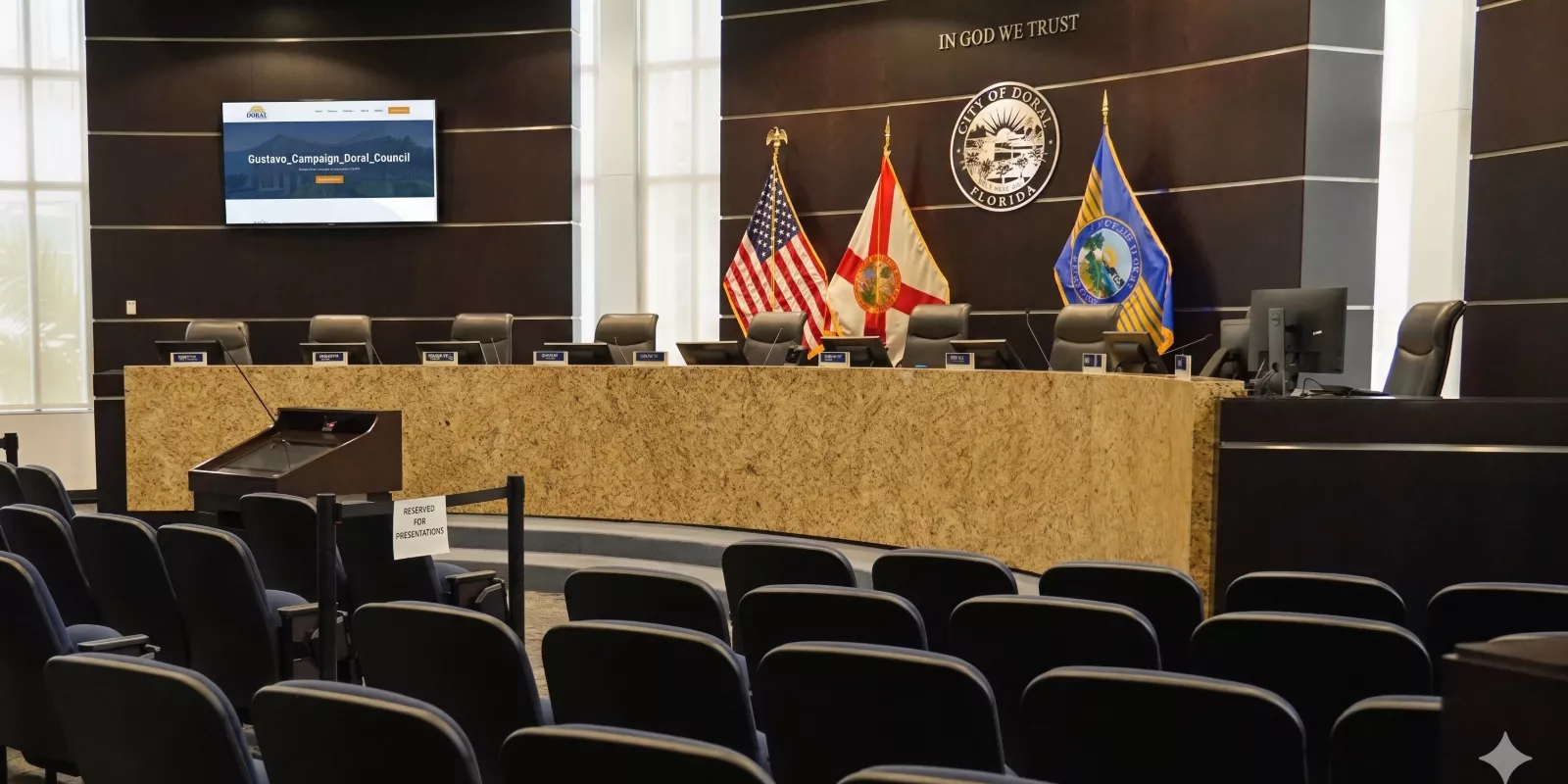
City Hall Decoded explores how municipal meetings function and why understanding them is crucial for community engagement. Many residents feel disconnected from local governance, but attending council sessions can change that. This guide provides practical insights on how to navigate these meetings, fostering a culture of civic participation.
Municipal council meetings are where local decisions take shape. However, many people don’t know what happens during these sessions or how they can participate. Understanding the structure and flow of these meetings can empower citizens to voice their opinions and hold elected officials accountable. Through this article, I aim to demystify council sessions and provide you with actionable insights.
Attending a council meeting can be daunting if you don’t know what to expect. These sessions usually follow a set agenda, including public comments, presentations, and voting on proposals. The structure helps keep the meeting organized, but it can also create barriers for those unfamiliar with the process.
Most agendas are published in advance on the city’s website. They include items up for discussion, time allocations, and who will present each item. Familiarizing yourself with the agenda can help you focus on issues that matter most to you.
Council sessions typically allocate time for public comments. This is your chance to voice your opinions directly to elected officials. However, rules about speaking time and registration often vary by city. Make sure to check the specific guidelines before attending.
A small community in my city faced neglect regarding local parks. Residents felt unheard until they began attending council sessions regularly. They noticed an agenda item for park revitalization and decided to speak up. Their collective voices led to increased funding for park improvements. It was a clear example of how engagement can directly impact local issues.
In another instance, a proposed zoning change sparked heated debate among community members. A group of residents attended the council meeting and presented well-researched arguments against the change. Their passionate advocacy led to a delay in the vote, allowing more time for community discussion and alternative proposals.
During budget discussions, citizens expressed concern over funding allocations that favored certain neighborhoods over others. By attending meetings and providing input during public comments, they were able to advocate for a more equitable distribution of resources. Their persistence resulted in a revision of the budget that better reflected community needs.
If you want your voice heard in your community, start by attending a council session this month!
Bring a notebook for notes, any relevant documents you may need, and perhaps some prepared remarks if you plan to speak during public comments.
Check your city’s official website for a calendar of upcoming council meetings. Most municipalities publish this information regularly.
Typically, questions from the public are reserved for designated comment periods or specific agenda items. Familiarize yourself with the rules in advance.
If you can't attend in person, many cities now offer live streams or recordings of council meetings online. You can also submit written comments beforehand.
Yes! Many cities provide workshops or online resources aimed at helping citizens understand how municipal government works and how to engage effectively.
Your participation matters—join me in shaping our community by attending the next council session!
Feeling overwhelmed? Reach out to me with any questions about navigating council meetings!
I hope this guide empowers you to engage with your local government actively. City Hall may seem intimidating, but every voice counts in shaping our communities. For more insights or personal guidance, don’t hesitate to contact me—I'm here to help!
If you have any questions or would like to learn more about this topic, I’m here to help. My name is Gustavo Garagorry, and I am certified in Open Municipal Government by the United Nations Government School. I would love to hear from you—please don’t hesitate to contact me at (728) 207-6048.

Gustavo Garagorry is a legislative strategist and community leader based in Doral, specializing in public management, policy analysis, and urban infrastructure development. With over 8 years of direct experience at City Hall, he designs technical solutions to strengthen public safety, optimize traffic, and ensure transparent administration. He connects resident needs with proven authority and real results in Florida's public sector
Expanding Doral's Urban Canopy for Cooler Streets
Doral is expanding its tree coverage to combat the urban heat island effect. This initiative aims to improve air quality, enhance aesthetics, and create cooler streets in commercial areas. By learning from successful case studies, the community can drive meaningful change.
Impulsando el Futuro: Programas STEAM para Jóvenes
Programas STEAM en comunidades, centrándose en iniciativas de robótica, ciencias y artes creativas. A través de ejemplos concretos, se destaca cómo estas actividades pueden transformar las oportunidades para los jóvenes y fomentar su desarrollo personal y académico.
Impacto del Presupuesto 2026 en Pequeñas Empresas de Doral
El artículo explora el impacto del presupuesto de 2026 en las pequeñas empresas de Doral, destacando cómo los fondos municipales facilitan la obtención de licencias y apoyan el crecimiento a través de casos prácticos de negocios locales. Se invita a los emprendedores a aprovechar estos recursos.