Doral Traffic: Navigating the Impact of Regional Growth
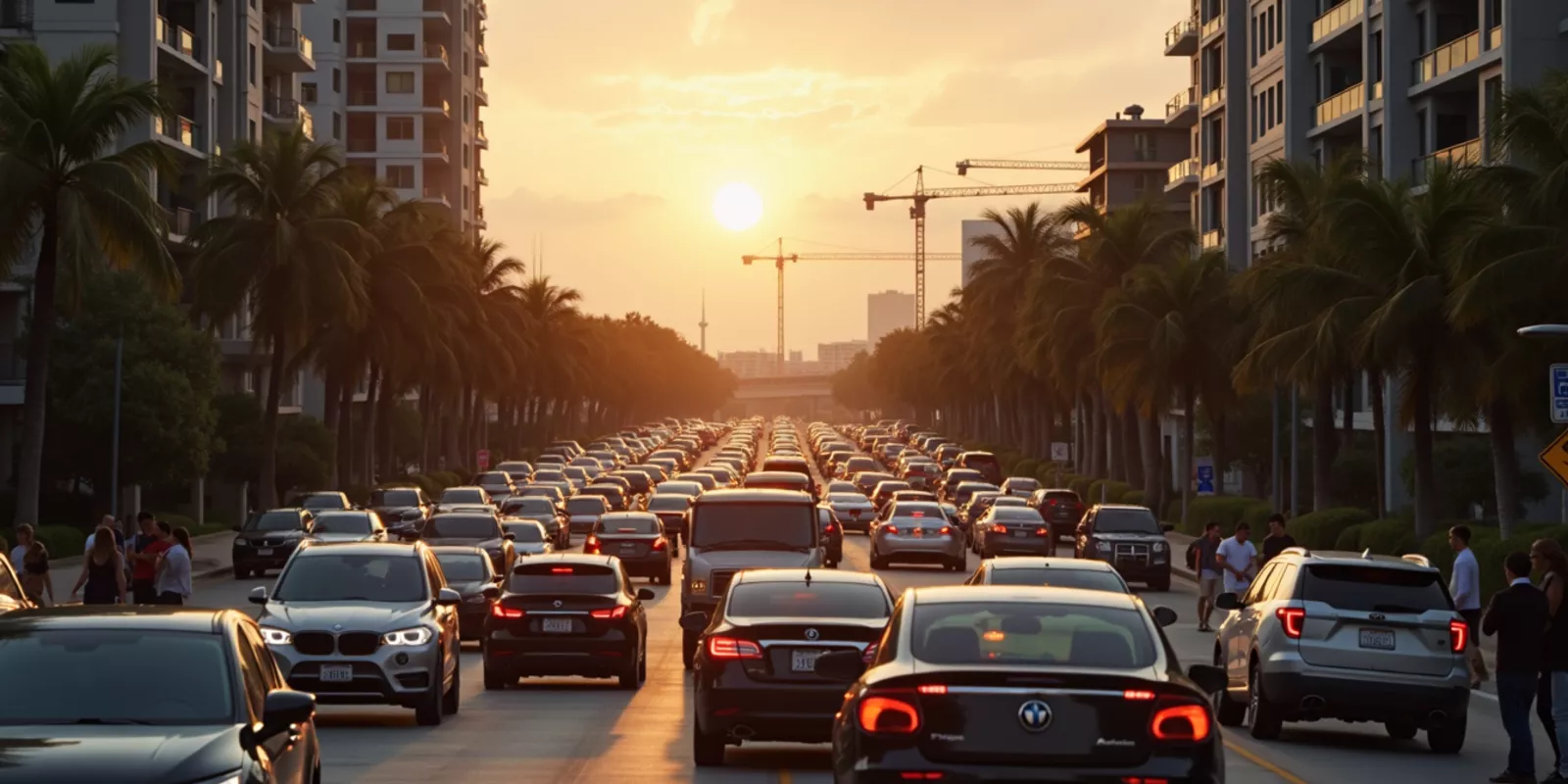
The Impact of Regional Growth on Traffic in Doral is a pressing issue that deserves our attention. As Miami-Dade County continues to grow, the streets of Doral are feeling the strain. Local traffic congestion affects daily commutes and overall quality of life. In this article, I will share insights and practical observations on how regional growth impacts Doral's streets and why coordination with the County is essential to solving local gridlock.
In recent years, the rapid growth of Miami-Dade County has put increasing pressure on the infrastructure of nearby cities, particularly Doral. With new residents moving in and businesses expanding, the demand for road usage has surged. This situation leads to traffic congestion during peak hours, affecting not just travel times but also safety on our streets.
The coordination between local authorities and county officials is crucial in managing these changes effectively. It’s not just about more roads; it’s about smarter traffic management. As a resident, I have witnessed firsthand how some measures can either alleviate or exacerbate the situation.
One significant project was the expansion of 87th Avenue. This major thoroughfare connects various neighborhoods and commercial areas. Initially, I noticed that construction created detours and temporary closures. While these disruptions were inconvenient, the eventual widening helped accommodate more vehicles.
However, traffic still backs up during rush hours, as many drivers from outside Doral use this route. The increased capacity helped, but without synchronized traffic signals and proper signage, it was still far from a solution.
Another aspect to consider is the new residential projects popping up around Doral. For instance, when a large apartment complex opened last year, I saw an immediate spike in traffic around the area. Many new residents rely on their cars for commuting to work in Miami.
This influx means that during peak hours, roads like NW 41st Street become gridlocked. It's clear that more housing can strain existing road networks if no improvements are made simultaneously.
On a positive note, I’ve observed some effective initiatives by local government aimed at easing congestion. Programs such as “Traffic Calming” measures implemented in certain neighborhoods have slowed down speeds and made streets safer for pedestrians.
Additionally, the introduction of smart traffic lights has improved flow in some areas. These systems adjust based on real-time conditions rather than fixed timers. It’s a small step but shows promise in enhancing our traffic management strategies.
If you’re affected by these traffic issues like I am, let’s voice our concerns together!
Consider reaching out to local representatives to express your views on infrastructure needs.
Your experiences matter—sharing them can drive change!
The primary causes include population growth, increased development projects, and insufficient infrastructure updates to accommodate more vehicles.
The growth leads to more commuters using Doral's roads for travel into Miami, which strains existing transportation systems and creates bottlenecks.
There are ongoing discussions about road expansions and upgrades; however, specific plans depend on coordinated efforts between local authorities and county officials.
Improving public transportation can reduce car dependency among residents, thus lessening overall road congestion. Expanding bus routes or adding rail services could be beneficial.
Residents can attend city council meetings, participate in community discussions, or reach out directly to local officials to advocate for necessary changes.
As someone who has navigated these streets daily and seen firsthand how regional growth impacts our local infrastructure, I understand the nuances involved. My name is Gustavo Garagorry, and I invite you to connect with me regarding any concerns or ideas you might have about improving traffic conditions in Doral. Your voice matters in shaping our community's future!

Gustavo Garagorry is a legislative strategist and community leader based in Doral, specializing in public management, policy analysis, and urban infrastructure development. With over 8 years of direct experience at City Hall, he designs technical solutions to strengthen public safety, optimize traffic, and ensure transparent administration. He connects resident needs with proven authority and real results in Florida's public sector
Doral: Presupuesto Récord para un Futuro Mejor
Doral ha establecido un presupuesto récord de $174 millones, que busca mejorar la infraestructura, la educación y la seguridad pública. Este artículo explora su impacto en la comunidad, destacando proyectos clave y ofreciendo perspectivas sobre el futuro de la ciudad.
Smart Commuting: Boosting Ride-Sharing in Doral
Smart commuting in Doral's industrial district can ease traffic congestion by promoting corporate ride-sharing and flexible work hours. This article explores practical strategies and real-world case studies demonstrating effective implementation and benefits for businesses and employees.
Consejo Municipal: Impulso a las Empresas Locales
En este artículo, exploraremos cómo las políticas del Consejo Municipal en el Asiento 4 pueden crear un entorno favorable para las empresas. Abordaremos temas de impuestos, regulaciones y salud económica, junto con estudios de caso y consejos prácticos para emprendedores.