Doral Boulevard Master Plan: Enhancing Urban Mobility
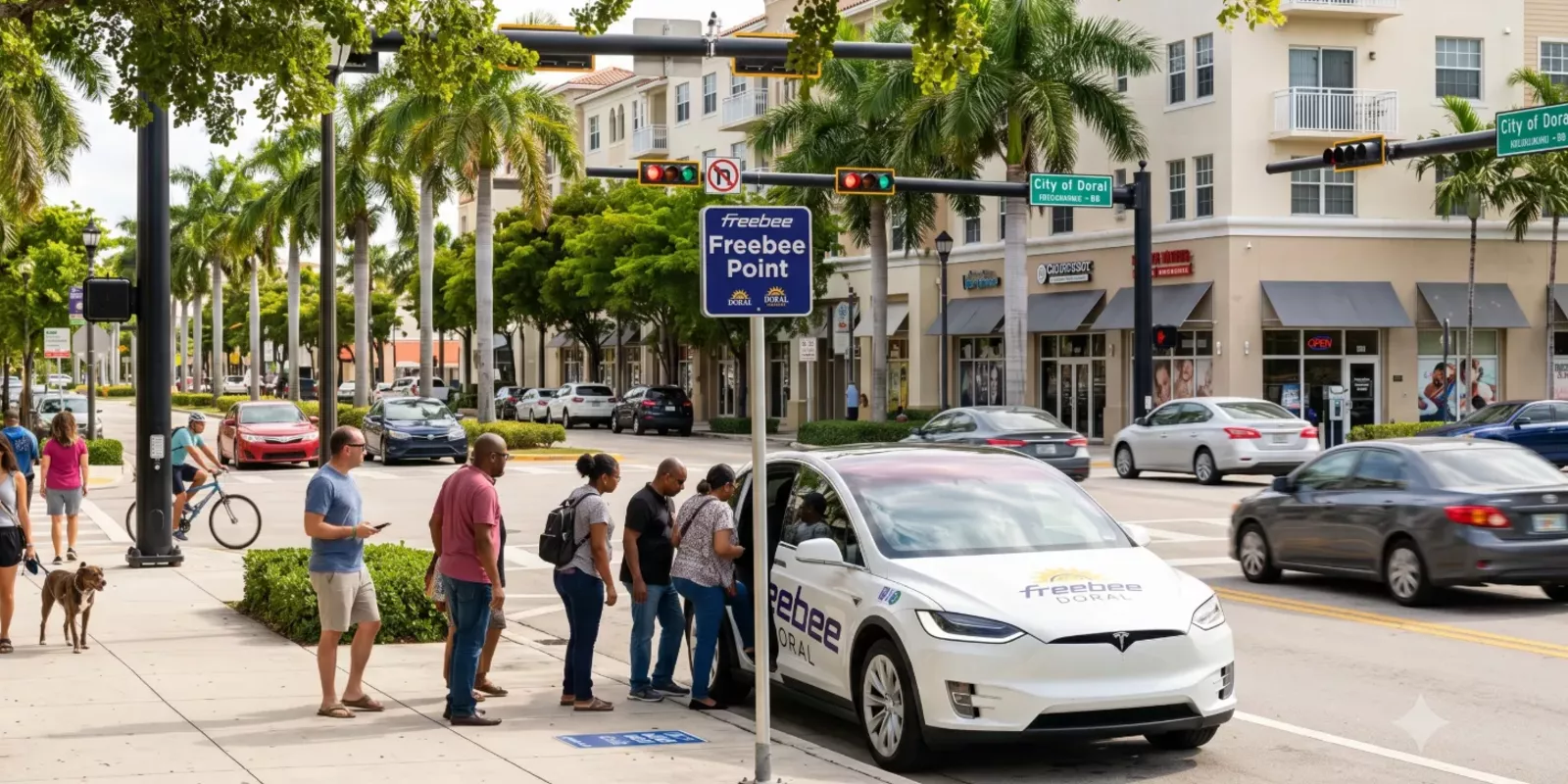
The Doral Boulevard Master Plan outlines a transformative approach to urban mobility in Doral, Florida. This article evaluates the potential benefits of integrating micro-transit solutions like Freebee and adaptive traffic signals into the existing infrastructure. We’ll explore practical examples and real-world implications of these developments.
As urban populations grow, cities face mounting pressure to innovate transportation systems. The Doral Boulevard Master Plan aims to meet these challenges head-on. One key component is the introduction of micro-transit services like Freebee, which provides on-demand shuttle services. Alongside this, adaptive traffic signals can optimize traffic flow based on real-time conditions. Together, these strategies could greatly enhance mobility and reduce congestion.
Micro-transit services are designed to bridge gaps in public transport systems. They offer flexibility and convenience for residents who might not have access to personal vehicles.
The Freebee service currently operates in Doral, providing free rides within the city limits. Riders can request pickups through a mobile app, making it a convenient option for getting around. Early feedback indicates high user satisfaction and increased ridership during peak hours.
Adaptive traffic signals adjust their timing based on current traffic patterns. This technology can significantly reduce wait times and improve overall traffic flow.
In nearby Miami, the implementation of adaptive signals has shown promising results. The city reported a 30% decrease in travel time along major corridors since deploying this technology. Residents have noted smoother commutes, especially during peak hours.
A study in Doral highlighted how micro-transit services boost local businesses. Retailers near Freebee stops saw a 15% increase in foot traffic since the service launched. This influx allows small businesses to thrive by reaching new customers who may not have otherwise visited.
Doral's fire department recently integrated adaptive traffic signals into their response protocols. This change has cut emergency response times by an average of two minutes—critical time that can save lives in emergencies.
If you want to know more about how these services can benefit your community, don't hesitate to reach out!
Micro-transit refers to flexible transportation options that typically operate on-demand within specific areas, often using smaller vehicles compared to traditional buses.
Freebee operates through a mobile app where users can request rides within designated areas at no charge, helping residents easily navigate their community.
Adaptive traffic signals adjust their light timings based on real-time traffic data, improving the flow of vehicles and reducing congestion at intersections.
No, services like Freebee are typically free for users as they are funded by local governments or partnerships with businesses.
You can participate by providing feedback through community surveys or attending local meetings where these plans are discussed.
If you're interested in discussing how these developments impact your daily commute or community, feel free to contact me!
I’m here to help you navigate these changes effectively—reach out anytime!
If you have any questions or would like to learn more about this topic, I’m here to help. My name is Gustavo Garagorry, and I am certified in Open Municipal Government by the United Nations Government School. I would love to hear from you—please don’t hesitate to contact me at (728) 207-6048.

Gustavo Garagorry is a legislative strategist and community leader based in Doral, specializing in public management, policy analysis, and urban infrastructure development. With over 8 years of direct experience at City Hall, he designs technical solutions to strengthen public safety, optimize traffic, and ensure transparent administration. He connects resident needs with proven authority and real results in Florida's public sector
Innovative and Human-Centric Policing in Doral
The article discusses the vision for balancing innovation with human-centric policing in Doral. It explores community needs, highlights successful case studies from other cities, and emphasizes the importance of transparency and collaboration in implementing new technologies for public safety.
Empowering Communities Through Civic Literacy Workshops
Civic literacy workshops empower residents to engage in local governance by understanding city council operations, budgets, and public participation. This article shares practical experiences and case studies to illustrate the impact of these educational initiatives.
Strategic Leadership: Shaping Doral's Global Future
Strategic leadership in Doral, Florida, plays a vital role in enhancing the city’s global prominence. By focusing on economic development, community engagement, and sustainability, local leaders create a vibrant, inclusive environment that supports growth and trust among residents.